
Low-Sodium Meal Ideas for Seniors: A Home Health Nutrition Guide
Eating well becomes increasingly vital as we grow older. A balanced diet provides the energy required for daily activities, helps maintain muscle mass, and strengthens the immune system. For many older adults, modifying daily food intake is a medical necessity rather than a simple lifestyle choice. High blood pressure, heart disease, and kidney issues often require strict dietary adjustments to keep health risks at bay. Finding the right food can sometimes feel overwhelming. You want meals that taste great but still adhere to strict health guidelines. This nutrition guide breaks down the basics of heart-healthy cooking, offering practical advice and easy recipes for low sodium meals for seniors. Families across Central and Southern Florida trust Complete Home Care to assist with daily living, and we know firsthand how a proper diet transforms a senior’s quality of life.
What Is a Low-Sodium Diet?
Sodium is a mineral found naturally in many foods, and it is a major component of table salt. A low-sodium diet restricts the intake of this mineral. Healthcare professionals generally recommend that seniors consume less than 1,500 to 2,000 milligrams of sodium per day, depending on their specific health conditions. This diet involves much more than putting away the saltshaker. Most of the sodium Americans consume comes from packaged, processed, and restaurant foods. Adopting this eating plan requires reading nutrition labels carefully and choosing whole, fresh foods over processed, convenient alternatives.
Why Is a Low-Sodium Diet Important?
As the body ages, the kidneys become less efficient at filtering excess sodium from the bloodstream. When sodium builds up, the body holds onto water to dilute it. This extra fluid increases the volume of blood pushing against the blood vessel walls, leading to high blood pressure. Elevated blood pressure forces the heart to work harder. Over time, this constant strain can cause heart failure, strokes, and severe kidney damage. Heart-healthy eating for seniors focuses on reducing this dangerous mineral to alleviate the burden on the cardiovascular system. By managing sodium intake, seniors can significantly lower their risk of medical emergencies and maintain a much higher level of independence.
Simple & Easy Low Sodium Meals for Seniors
Preparing low sodium meals does not mean sacrificing flavor. You can create delicious, comforting dishes using fresh ingredients, herbs, and spices. Here are some straightforward meals tailored for older adults.
Energizing Breakfasts
Starting the day right sets a positive tone. A bowl of oatmeal made from rolled oats rather than instant packets provides excellent fiber without hidden salt. Top the warm oats with fresh berries, sliced almonds, and a dash of cinnamon. Alternatively, scramble an egg with fresh spinach, tomatoes, and a pinch of black pepper, serving it alongside a slice of whole-grain toast.
Satisfying Lunches
Midday meals should be light yet fulfilling. A large mixed green salad topped with grilled chicken breast, cucumbers, and bell peppers offers a fantastic crunch. Instead of bottled dressing, use a homemade vinaigrette made from olive oil, lemon juice, and dried oregano. Another great option is homemade vegetable soup. Use a low-sodium vegetable broth and load the pot with carrots, celery, potatoes, and green beans.
Comforting Dinners
Dinner is a perfect time to incorporate lean proteins and colorful vegetables. Baked salmon seasoned with dill and a squeeze of fresh lemon juice is incredibly flavorful and rich in omega-3 fatty acids. Pair the fish with roasted asparagus and a small serving of quinoa. For a different flavor profile, try turkey meatballs made with ground turkey, garlic powder, and onion powder, served over whole-wheat pasta with a homemade, salt-free tomato sauce.
Tips for Simplifying Low-Sodium Meal Preparation
Transitioning to a new cooking style takes a little practice. These low sodium diet tips will help make the process manageable and enjoyable. Cook at home as often as possible. Preparing food in your own kitchen is the most effective way to control exactly what goes into each dish. When you buy packaged goods, take a few extra seconds to read the nutrition facts label. Look for items labeled “sodium-free,” “very low sodium,” or “no added salt.” Spices are your best friend. Garlic, citrus juices, vinegar, and fresh herbs like basil, cilantro, and rosemary add incredible depth to recipes without raising blood pressure. Finally, try batch cooking. Prepare large portions of staple foods like brown rice, roasted vegetables, and grilled chicken at the beginning of the week. Having these components ready in the refrigerator makes assembling meals quick and easy.
Benefits of a Low-Sodium Diet for Seniors
The physical advantages of restricting salt intake become apparent quite rapidly. Many older adults notice a significant decrease in swelling, particularly in their legs, ankles, and feet, within just a few weeks. Beyond reducing fluid retention, this diet directly lowers blood pressure reading. This stabilization provides immense relief to the heart muscle. Seniors often report feeling more energetic and breathing more easily during light physical activity. Furthermore, keeping blood pressure under control protects the delicate blood vessels in the brain, supporting long-term cognitive health and reducing the risk of stroke.
FAQs on Chronic Disease Management
Effectively managing chronic conditions requires a multifaceted approach that prioritizes preventative care and lifestyle modifications. By understanding the underlying mechanisms of common health issues, patients can take proactive steps to mitigate symptoms and improve their overall quality of life. The following frequently asked questions address critical concerns regarding dietary impacts, cardiovascular stability, and the long-term preservation of organ function, providing clarity on how specific interventions can lead to measurable health improvements for seniors.
How Do Caregivers Ensure Dietary Compliance at Home?
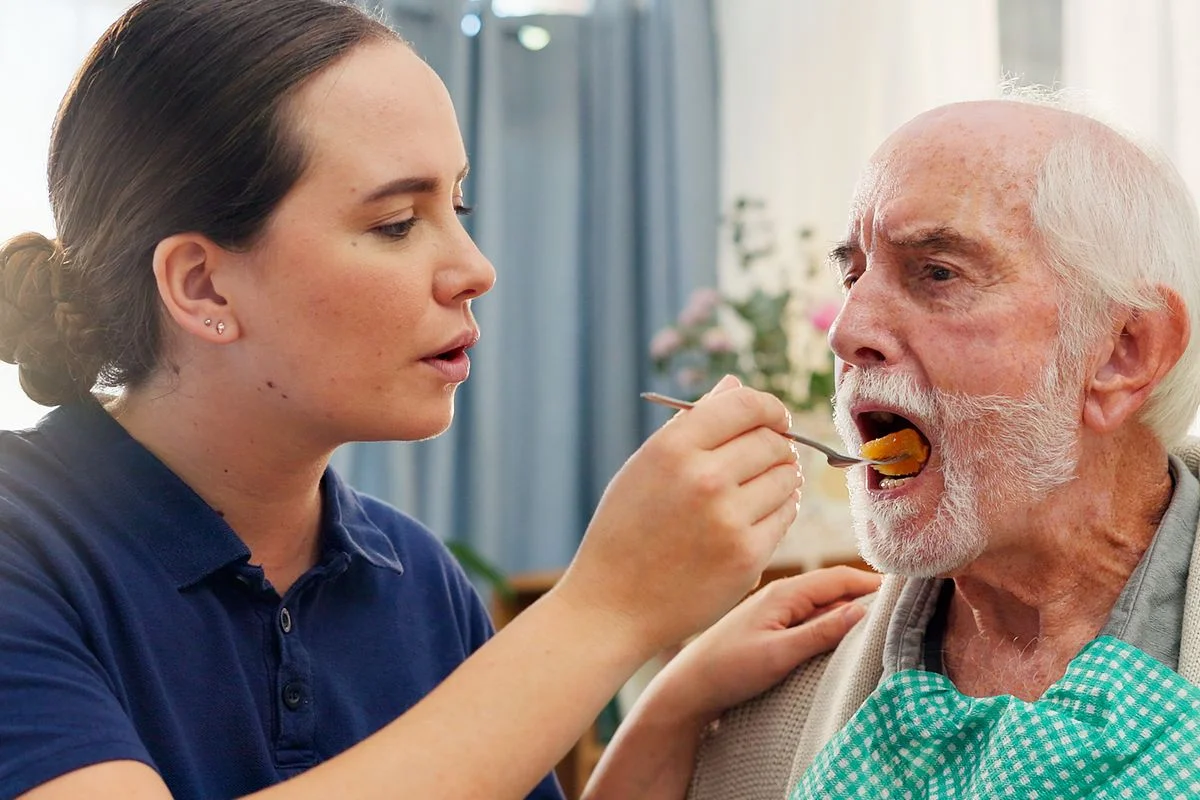
Professional home health nutrition support plays a crucial role. Our caregivers at Complete Home Care assist with grocery shopping, meal planning, and safe cooking. They help seniors read labels and ensure that the pantry is stocked with health-conscious options.
Can Seniors Still Eat Out at Restaurants?
Yes, but it requires careful planning. Seniors should ask for meals to be prepared without added salt and request that sauces and dressings be served on the side. Choosing grilled or steamed items over fried dishes also helps keep sodium levels down.
Are Salt Substitutes Safe to Use?
Some salt substitutes replace sodium with potassium. While this can help lower blood pressure for some, excessive potassium intake can be dangerous for seniors with kidney disease or those taking certain medications. Always consult a physician before using these products.
Supporting Long-Term Wellness at Home
Changing eating habits is a gradual process that requires patience and support. By focusing on fresh ingredients and utilizing creative seasoning techniques, older adults can enjoy flavorful meals that protect their cardiovascular health. The effort put into planning and preparing these meals pays off through increased energy and a lower risk of serious health complications. For families across Central and Southern Florida, managing these dietary changes on their own can be challenging. Complete Home Care provides compassionate support, ensuring your loved ones receive the right nutrition while remaining safely in the comfort of their own homes. Contact us today for your needs.
About the Author

John-Taye Meatley
Director of Clinical Services, Complete Home Care
Leading clinical excellence, innovation, and compassionate home health care.
John-Taye Meatley, RN, is Director of Clinical Services at Complete Home Care, where she provides leadership in clinical operations, regulatory compliance, interdisciplinary collaboration, and patient-centered home health care. With more than a decade of nursing and healthcare leadership experience spanning emergency medicine, home health, pediatrics, and clinical operations, she is passionate about improving patient outcomes while empowering healthcare teams to deliver exceptional care.
Prior to joining Complete Home Care, John-Taye held leadership roles within the Montefiore Health System, where she helped advance innovative population health initiatives that significantly reduced avoidable emergency department utilization, strengthened care transitions, and improved access to essential healthcare resources for underserved communities. Her collaborative approach brought together physicians, case managers, pharmacists, and community partners to create sustainable programs that improved continuity of care and supported long-term patient success.
As an American Heart Association Instructor and an approved Florida Department of Elder Affairs Alzheimer’s Disease and Related Dementias (ADRD) Training Provider, John-Taye is committed to mentoring healthcare professionals while educating caregivers and families. She believes exceptional healthcare is built through compassion, innovation, collaboration, and a steadfast commitment to improving the lives of every patient and community she serves.