The Biggest Challenges and Problems Seniors Face in Their Golden Years
Living longer is one of the great successes of modern society. Advances in healthcare, technology, and living conditions have made it possible for many people to reach their 70s, 80s, and beyond. But living longer does not automatically mean living better.
After years working as a senior home safety specialist and certified dementia practitioner, and after helping hundreds of older adults and seniors begin in-home care, I’ve learned something that often surprises people: most of the biggest challenges and problems seniors face don’t arrive suddenly. They build quietly, over time, often going unnoticed until a crisis forces them into view.
If you’re reading this, I invite you to slow down for a moment before continuing. Think about your own parents, grandparents, or even yourself years from now. Many of the challenges discussed here are not about illness alone. They’re about preparation, awareness, and the choices we make long before we consider ourselves “seniors.”
Financial Insecurity: Outliving the Plan
One of the most common and least discussed challenges seniors face is financial insecurity.
Many older adults planned for retirement based on life expectancy numbers that no longer apply. Living longer means savings must stretch further, often while costs continue to rise. Healthcare expenses, home maintenance, transportation, and daily living needs don’t pause simply because someone is no longer working.
For seniors without long-term care insurance or substantial savings, financial stress limits more than comfort. It limits options. It determines whether support is accessible, whether a home can be modified for safety, and whether help can be brought in before a crisis occurs.
This financial strain often intersects with another issue: pride. Many seniors are reluctant to talk about money, even with family. That silence can make challenges harder to solve later.
Ageism and the Quiet Loss of Purpose
Ageism doesn’t always look like open discrimination. Often, it shows up subtly, in lowered expectations, reduced opportunities, and the quiet assumption that elderly people are no longer contributors.
I’ve seen firsthand how damaging this can be. When seniors feel dismissed or invisible, it affects their mental health, motivation, and sense of identity. Purpose matters. Staying engaged, contributing, and feeling valued are not luxuries; they are essential to well-being.
This is especially true for elderly individuals who were once highly active in their careers or communities. When that structure disappears without something meaningful to replace it, decline can accelerate.
Lack of Preparation: “We’ll Deal With It Later”
One of the most overlooked challenges facing older adults is lack of preparation for the realities of aging.
I see this often in the homes I evaluate. Multi-level houses with steep staircases. Bathrooms without grab bars. Rugs that seem harmless until they aren’t. Many seniors live in homes designed for a different stage of life, telling themselves they’ll adjust when the time comes.
I’ve seen this personally as well. My parents are in their 70s and 80s, still living in a home with multiple floors. When their children were younger and living nearby, this made sense. Now, with family spread out and daily needs changing, that same home presents challenges that could have been addressed earlier.
Preparation is not pessimism. It’s respect for the future version of yourself.
Denial: The Most Dangerous Challenge of All
Denial is one of the most powerful forces I encounter.
Many seniors believe that accepting help means losing independence. In reality, the opposite is often true. I’ve seen older adults insist they’re “fine” while quietly giving up activities they love, avoiding stairs, skipping outings, or limiting their world to a few rooms of the house.
As a senior home safety specialist, I’ve recommended simple, proactive changes countless times: removing loose rugs, improving lighting, adding safety supports. These small adjustments can prevent falls, preserve confidence, and protect independence.
Too often, denial delays action until a fall occurs. And when that happens, the road back can be long: hospitalization, rehabilitation, returning home with fear and reduced mobility. Some seniors never fully regain the independence they once had, not because help wasn’t available, but because it arrived too late.
Mobility, Falls, and the Fragility of Independence
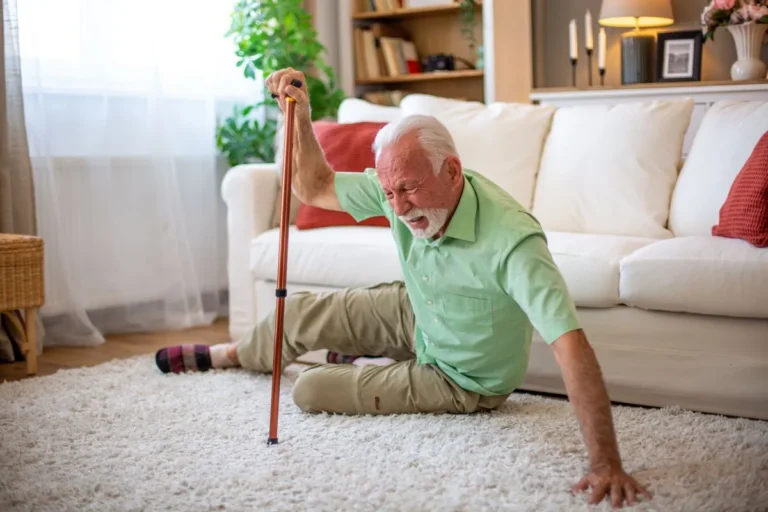
Falls are a turning point for many seniors.
What begins as a single incident can lead to months or even years of recovery. Beyond physical injury, falls introduce fear. Fear changes how people move, how they engage with their environment, and how confident they feel in their own homes.
In my experience, most falls happen inside the home, in places people know best. That familiarity can create a false sense of safety. Preventing falls is not about wrapping seniors in caution; it’s about giving them the confidence to move freely without unnecessary risk.
Social Isolation in a Post-Pandemic World
Social isolation has always been a challenge for seniors, but recent years have intensified it.
After the pandemic, many older adults never fully returned to previous routines. Social circles shrank. Activities stopped. Cognitive engagement declined. For seniors, isolation affects not only emotional health but physical and cognitive health as well.
Human connection keeps the mind sharp. Conversation, movement, shared experiences — these are protective factors that often disappear quietly when socialization decreases.
Technology: A Lifeline or a Barrier?
Technology has the potential to expand the world for seniors — or shrink it.
When older adults can use technology comfortably, it becomes a powerful tool: telehealth, communication, transportation services, and daily conveniences. But when technology feels overwhelming or inaccessible, it becomes a barrier that closes doors.
I often think of technology like a wave. If you learn to ride it, it carries you forward. If you lose traction, the world can feel suddenly smaller. Helping seniors stay connected to technology is no longer optional; it’s essential to modern independence.
Elder Abuse: Not Always What People Think
Elder abuse is one of the most uncomfortable topics to discuss, but it’s also one of the most important.
Many people imagine abuse only as physical harm. In reality, elderly individuals are often vulnerable to non-physical abuse: financial exploitation, manipulation, theft, and emotional pressure. As social circles shrink, vulnerability increases.
This is not about intelligence. It’s about trust. When fewer people are present in someone’s life, the impact of one bad actor grows.
Awareness, connection, and support systems are critical protections.
The Stigma Around Accepting Help
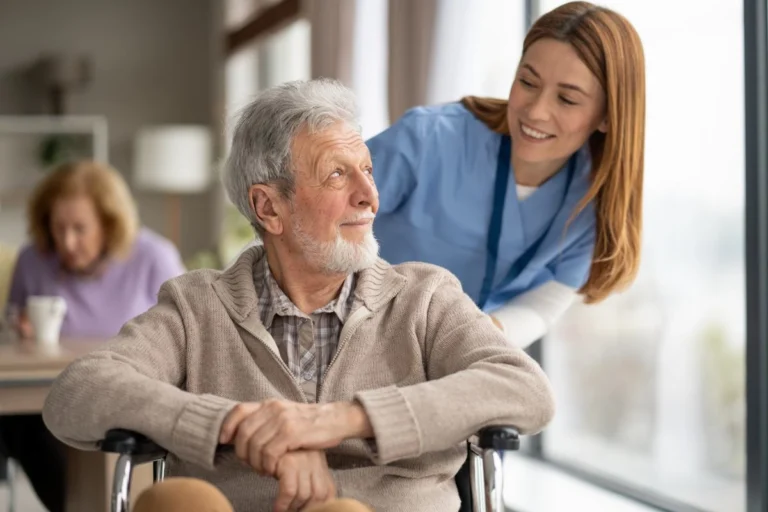
One of the most heartbreaking patterns I see is seniors compromising quality of life in the name of independence.
There is a stigma that accepting assistance means giving something up. In truth, thoughtful support often restores what has been lost. I’ve helped hundreds of older adults start in-home personal care, and the most common feedback I hear is not regret — it’s relief.
Relief that daily tasks are easier. Relief that energy can be spent on meaningful activities. Relief that life feels fuller again.
Independence is not about doing everything alone. It’s about living well, safely, and on your own terms.
Understanding Care Before It’s Needed
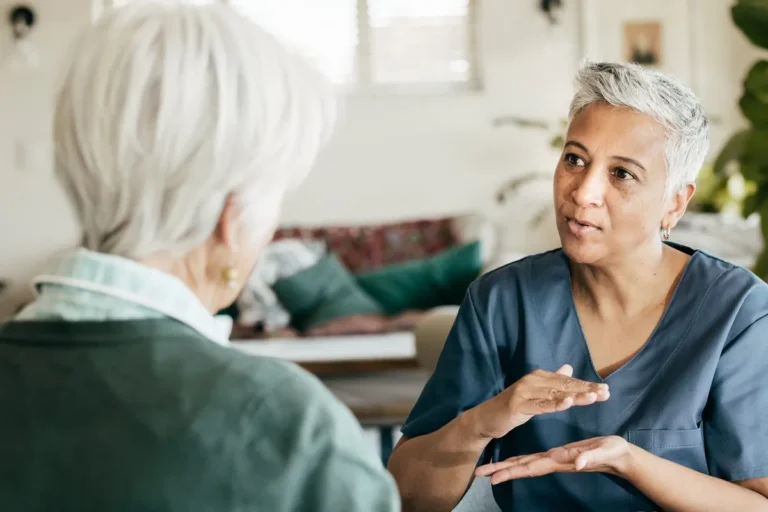
Another major challenge is simply not knowing how support works.
Many families don’t understand the difference between personal care and medical home health care until they’re forced to learn quickly. That lack of understanding creates stress, confusion, and rushed decisions during already difficult moments.
Knowledge is one of the most powerful tools seniors and families can have. Understanding options early allows for better outcomes later.
A Final Thought on Aging Well
Aging is not a single moment. It’s a long process shaped by small decisions made over time.
The most successful aging stories I’ve seen are not defined by avoiding help, but by accepting it thoughtfully. Seniors who stay engaged, prepare early, adapt their environments, and remain open to support tend to live fuller, safer, and more connected lives.
If there is one takeaway from all of this, it’s this: aging well is not about fear. It’s about awareness. And awareness gives us the opportunity to act before challenges become crises.
For those exploring support options, resources like Complete Home Care’s services can help families better understand how in-home care and home health support fit into different stages of aging.
Aging in your golden years should not mean shrinking your world. With the right mindset, preparation, and support, it can be a time of dignity, connection, and purpose.
Elder Abuse Awareness & Support Resources
If you are concerned about the safety or well-being of an older adult, it’s important to know that help is available. Elder abuse is not always physical and can include financial exploitation, emotional harm, or neglect.
For guidance, support, or information on how to report concerns, resources like the National Council on Aging and the Administration for Community Living provide clear information on recognizing elder abuse and connecting with local support services.
About the Author

Renan Augusto
Marketing Manager, LifeCare Home Health & Hospice Family
Blending digital innovation, compassion, and strategy to elevate in-home care, home health, and hospice across the LifeCare Home Health & Hospice Family.
Renan Augusto is a digital marketing strategist with a Master of Science in Digital Marketing, Meta Digital Marketing Certification, and specialized training in AI-powered marketing through Semrush. He brings a strategic, people-first approach to the LifeCare Home Health & Hospice Family, helping families across the country to find trusted, compassionate in-home care through clear and meaningful communication.
With extensive experience in the senior care space, Renan has helped hundreds of families begin home care services. As a Certified Dementia Practitioner, he brings empathy and clarity to every project, ensuring that education and outreach remain accessible, respectful, and centered on real people.
Renan previously served as Marketing Chair for GROWS and continues to serve as an Advisor. GROWS is a nonprofit organization focused on strengthening the senior care community through advocacy, education, and collaboration. His work centers on connection, authenticity, and digital strategies that make a meaningful difference in people’s lives.