Aging in Place: How Home Health and In-Home Care Help Older Adults Stay Independent
For many older adults, the idea of aging in place is simple. Stay in the home you love. Keep your routines. Maintain your independence. Avoid becoming a burden.
But in real life, aging in place is rarely that simple.
After years working in this industry and helping hundreds of families navigate in-home care decisions, I have learned that aging in place is not about waiting until something goes wrong. It is about understanding how the right kind of support, at the right time, can protect independence rather than take it away.
Too often, families only start asking questions after a fall, a hospitalization, or a sudden change in health. By then, choices feel rushed, emotions are high, and options feel limited. Aging in place works best when it starts earlier, with planning, education, and realistic expectations.
What Aging in Place Really Means
Aging in place does not mean doing everything alone.
It does not mean refusing help.
And it does not mean giving up independence.
At its core, aging in place means continuing to live safely and comfortably in your own home while maintaining the highest possible quality of life. That looks different for everyone, and it often changes over time.
For some older adults, aging in place means small adjustments such as better lighting, safer bathrooms, or help with errands. For others, it means hands-on support with daily activities or skilled medical care after an illness or injury. The common thread is support that adapts as needs change.
The Hidden Risk Most Families Overlook: Falls at Home
One of the most difficult truths in aging is that many people do not lose independence because of illness alone. They lose it because of a fall.
Falls are the leading cause of injury for adults ages 65 years and older, and the majority of those falls happen inside the home. Bathrooms, bedrooms, hallways, and kitchens are often where independence quietly turns into vulnerability.
A fall can trigger a chain reaction:
- A short hospital stay
- Discharge to rehab
- Return home with home health care
- Reduced confidence and mobility
- Fear of falling again
That fear alone can change how someone moves, lives, and engages with the world.
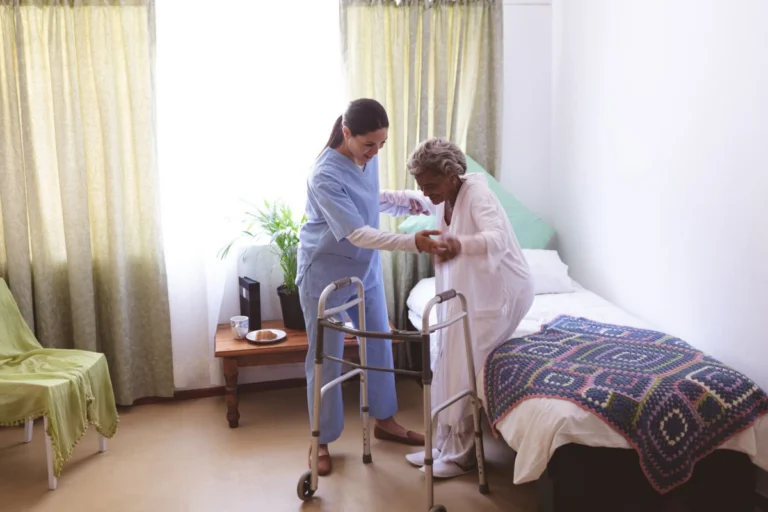
This is why proactive aging in place planning matters so much. Preventing falls through home safety assessments, mobility support, and daily assistance often keeps people out of the hospital altogether.
Why In-Home Care Plays a Critical Role in Aging in Place
There is a common misconception that in-home care is only for “seniors who can’t do anything anymore.” In reality, many older adults would benefit from in-home personal care much earlier than they expect.
In-home care supports aging in place by helping with Activities of Daily Living (ADLs) and Instrumental Activities of Daily Living (IADLs), such as:
- Bathing and grooming
- Dressing safely
- Meal preparation
- Light housekeeping
- Medication reminders
- Transportation and errands
- Companionship and routine
These services are not about taking over. They are about reducing physical strain, preventing accidents, and preserving energy for the things that matter most.
When older adults start in-home care earlier, they often:
- Stay independent longer
- Experience fewer falls
- Maintain social engagement
- Build trusted relationships with caregivers
- Avoid crisis-driven decisions later
Aging in place works best when support is seen as a tool, not a failure.
Pride, Independence, and the Fear of Accepting Help
One of the most common barriers I see is pride. Many older adults feel that accepting in-home care means they are “giving up” or admitting weakness.
Ironically, those who refuse help entirely are often the ones who lose independence the fastest.
Independence does not come from doing everything yourself. It comes from making smart choices that allow you to live safely, confidently, and on your own terms. Leveraging support is often what protects independence, not what takes it away.
Those who embrace help early tend to age in place longer and with more confidence.
How Home Health Care Fits Into the Aging in Place Picture
While in-home care is proactive, home health care is often introduced reactively. Most families encounter home health services after:
- A hospital discharge
- Surgery or injury
- A serious illness
- A decline in mobility or strength
Home health care typically includes skilled nursing, physical therapy, occupational therapy, or speech therapy provided under a physician’s order. It plays a critical role in recovery and stabilization.
Home health care supports aging in place by:
- Helping older adults recover safely at home
- Reducing hospital readmissions
- Rebuilding strength, balance, and confidence
- Managing complex medical needs
However, home health care is usually time-limited. It addresses a specific medical need, not long-term daily support. This is where in-home personal care often complements home health services, creating continuity rather than a gap.
Proactive vs Reactive Care: Why Timing Matters
The biggest difference between aging well at home and struggling at home often comes down to timing.
Reactive care happens after something goes wrong. Proactive care helps prevent that moment from happening in the first place.
A simple home safety assessment, regular assistance with daily tasks, or mobility support can mean the difference between:
- Staying home comfortably
- Or entering a cycle of hospital stays and rehab
Aging in place is not about avoiding care. It is about choosing the right kind of care before circumstances force the decision.
Aging in Place Is About Quality of Life, Not Just Safety
Safety matters, but aging in place is also about enjoying life.
When older adults receive the right level of in-home support, they often experience:
- Less stress and fatigue
- Greater confidence moving around the home
- More time and energy for meaningful activities
- Reduced isolation
- Stronger routines and structure
Care is not just about medical needs or physical tasks. It is about preserving dignity, purpose, and connection.
What Families Should Think About Early
If you are thinking about aging in place for yourself or a loved one, consider asking these questions early:
- Is the home set up to reduce fall risks?
- Are daily tasks becoming physically exhausting?
- Would small amounts of help improve quality of life?
- Is support in place before a crisis occurs?
Planning ahead does not mean something is wrong. It means you value independence enough to protect it.
A Final Thought on Aging in Place
Aging in place is not a single decision. It is a process that evolves over time.
The most successful aging-in-place stories I have seen are not the ones where people avoided help the longest. They are the ones where people accepted support thoughtfully, proactively, and without shame.
With the right balance of in-home personal care and home health care when needed, older adults can continue living where they feel most comfortable, most confident, and most themselves.
That is what aging in place is really about.
For families in Florida exploring aging in place, organizations like Complete Home Care support older adults through a thoughtful combination of in-home personal care and home health services, helping care evolve as needs change.
About the Author

Renan Augusto
Marketing Manager, LifeCare Home Health & Hospice Family
Blending digital innovation, compassion, and strategy to elevate in-home care, home health, and hospice across the LifeCare Home Health & Hospice Family.
Renan Augusto is a digital marketing strategist with a Master of Science in Digital Marketing, Meta Digital Marketing Certification, and specialized training in AI-powered marketing through Semrush. He brings a strategic, people-first approach to the LifeCare Home Health & Hospice Family, helping families across the country to find trusted, compassionate in-home care through clear and meaningful communication.
With extensive experience in the senior care space, Renan has helped hundreds of families begin home care services. As a Certified Dementia Practitioner, he brings empathy and clarity to every project, ensuring that education and outreach remain accessible, respectful, and centered on real people.
Renan previously served as Marketing Chair for GROWS and continues to serve as an Advisor. GROWS is a nonprofit organization focused on strengthening the senior care community through advocacy, education, and collaboration. His work centers on connection, authenticity, and digital strategies that make a meaningful difference in people’s lives.