
What Qualifies as Skilled Nursing Care Under Medicare?
Navigating the healthcare system is often complicated, but few areas cause as much confusion as Medicare coverage for skilled nursing care. Many families assume that because their loved one has paid into Medicare for decades, any form of skilled home health care will be covered. Unfortunately, this is not always the case. Understanding the specific qualifications for skilled nursing care is vital. A misunderstanding here can lead to unexpected out-of-pocket expenses totaling thousands of dollars. So, let’s take a look at what qualifies as skilled nursing under Medicare and which services you can expect.
What Is Skilled Nursing Care?
Skilled nursing care refers to a high level of medical care that must be provided by or under the direct supervision of licensed health professionals. These professionals include registered nurses (RNs), licensed practical nurses (LPNs), physical therapists, speech-language pathologists, and occupational therapists. Every skilled nursing provider is slightly different, but common services include:
- Intravenous (IV) injections and physical therapy
- Complex wound care and dressing changes
- Tube feeding
- Monitoring vital signs and medical equipment use
- Rehabilitation therapies
Who Typically Needs Skilled Nursing?
Patients generally require skilled nursing care when they are transitioning from a hospital stay but are not yet well enough to live at home without support. The goal is usually rehabilitation or recovery. You might see a need for this level of care after a significant health event, such as a hip replacement surgery, a severe stroke, or a complicated infection requiring round-the-clock antibiotics. In these scenarios, the patient has a high potential for improvement but requires specialized equipment and expertise that a family caregiver cannot provide alone.
Does Medicare Pay for Skilled Nursing?
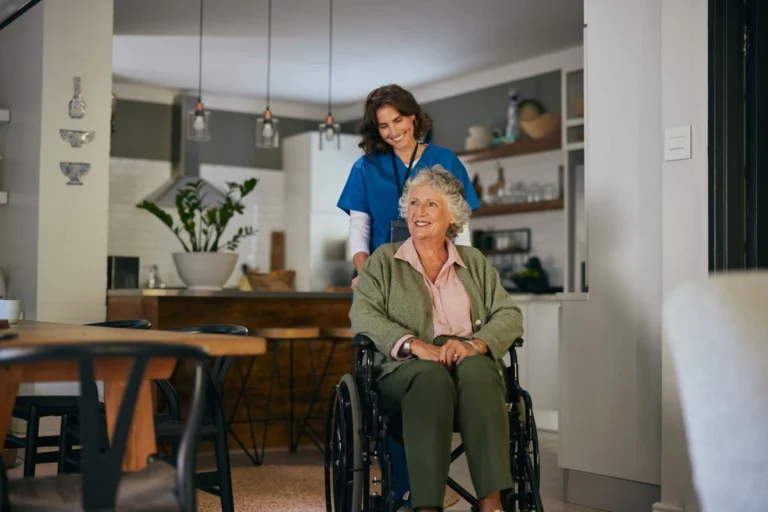
Medicare has very specific rules regarding when it will cover skilled home health care. This type of care is usually reserved for patients considered “homebound,” which means they have trouble leaving home without help. They typically need a cane, wheelchair, or assistance from another person to move around, take transportation, and run errands. Someone can also be considered homebound if their doctor advises that they stay home due to a medical condition. In these situations, Medicare will pay for all medically necessary services, including:
- Wound care
- Injections
- Nutrition therapy
- Health monitoring
- Physical therapy
- Occupational therapy
- Speech therapy
- Medical social services
- Medical equipment and supplies
- Patient and caregiver education
What Services Are Not Covered by Medicare?
Understanding what’s not covered is just as important as knowing what is. While you can expect Medicare to cover medically necessary home health services, it may not cover every associated expense. Many families need to pay for the following services out of pocket, or look for other methods of financing:
- Custodial Care—If your loved one only needs help with bathing, dressing, using the bathroom, or eating, Medicare won’t cover skilled nursing. However, these may be covered if they’re needed alongside medical support.
- 24/7 Care—Medicare doesn’t pay for round-the-clock skilled nursing care at home. Patients who need this level of support may be better served in a skilled nursing facility.
- Homemaker Services—Many people who need skilled nursing also need help around the house. Nevertheless, expenses for housekeeping, meal delivery, and grocery shopping are not covered by Medicare.
- Private Rooms—Should you opt for a skilled nursing facility instead of home health care, keep in mind that Medicare may not pay for private rooms unless it is medically necessary.
How Much Does Skilled Nursing Cost Under Medicare?
Let’s get to the bottom line—how much skilled nursing ultimately cost? Your total expense will depend on the level of care and how long you receive that care. Medicare follows these guidelines when billing patients:
- All covered home health services are free, you pay nothing, if the service has been deemed medically necessary by a doctor.
- After meeting your Part B deductible ($257, as of 2025), you pay 20% of the cost of durable medical equipment. This includes items such as wheelchairs, hospital beds, and walkers.
When to Consider Skilled Nursing Care
Skilled nursing care can be hugely beneficial for people who want to maintain some of their independence and stay at home. However, deciding when to make the transition is often easier said than done. Here are some signs it could be time to consider skilled nursing for yourself or a loved one:
- Safety Concerns—If your loved one can’t safely move on their own or requires lifts, home health care is probably your best bet.
- Complex Medication Management—Organizing medication can get complicated fast, but skilled nursing professionals can take the burden off of patients and their family caregivers.
- Intensive Therapy—Does your loved one need a specific therapeutic approach? Skilled nursing professionals often provide physical, occupational, or speech therapy multiple times a week.
- Extensive Wound Care—Managing surgical sites or other injuries requires sterile techniques to prevent infection. Fortunately, nursing professionals have the expertise to handle these cases properly.
Contact Complete Home Care to Learn More
Recovering after a hospital stay is overwhelming, but it’s often easier at home. The team at Complete Home Care can help you or a loved one get home sooner and streamline the recovery process. We offer a range of skilled nursing services, and we can walk you through the Medicare home health requirements. Our skilled nurses are proud to have helped so many people in Central and Southern Florida thrive safely at home. Contact us today for details.
About the Author

Kristen Cusack
Business Development Strategist, LifeCare Home Health Family – Private Duty In-Home Care Division
Bringing leadership, compassion, and innovation to in-home care across Florida and Texas.
Kristen is an innovative healthcare executive and business development strategist with a strong record of leading start-ups, private equity ventures, and high-growth healthcare organizations. At LifeCare Home Health Family, she plays a key role in expanding the Private Duty In-Home Care Division, helping families access compassionate, high-quality care that meets their unique needs.
With extensive expertise in strategic planning, multi-site management, and organizational development, Kristen is passionate about fostering sustainable growth while empowering teams to perform at their best. Her leadership combines data-driven strategy with a deep commitment to advancing healthcare practices that make a meaningful difference in patients’ lives.