
Post-Surgery Home Care: What Patients & Families Should Expect
Leaving the hospital after a medical procedure is a giant step on the path to recovery. However, having post-surgery home care arranged with a qualified provider, such as Complete Home Care, which serves Central and Southern Florida, is essential to avoid complications or readmission to the hospital. For many patients and their families, the transition from hospital care to home recovery can cause some anxiety. Home is certainly more comfortable. But going from a hospital where a nurse is always available to home when you’re still not 100% well is challenging. This is why post-surgery home care is such a vital resource.
Understanding Post-Surgery Recovery at Home
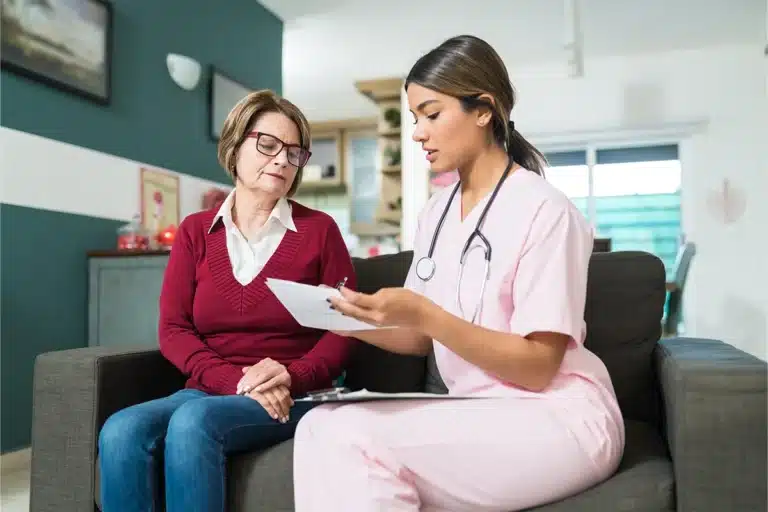
Your body needs time to heal after surgery, but you also need to be proactive to regain strength and mobility. In-home recovery care can be a combination of medical services, including wound monitoring and medication administration, as well as physical and occupational therapy to help you acclimate to life at home. This is a physician-directed strategy that’s outlined based on your procedure, condition, and recovery goals.
Your plan of care is assembled with input from your surgeon, hospital discharge planners, and home health clinicians. It outlines what is necessary for a safe recovery. Aspects may include wound care protocols, physical therapy exercises to regain mobility, medication management schedules, and dietary restrictions. Your care plan will evolve, and while the first few days might focus on pain management and preventing infection, it will transition to regaining strength and independence. Your care team is there to ensure it stays on track.
Preparing Your Home for Safe Post-Surgery Care
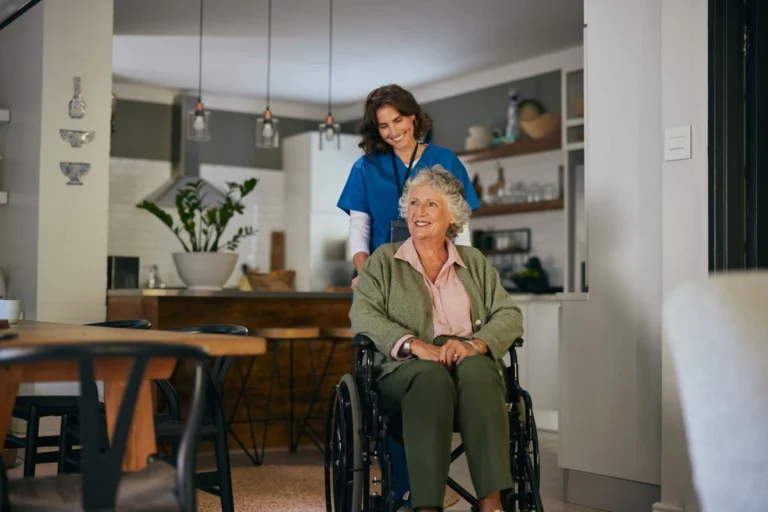
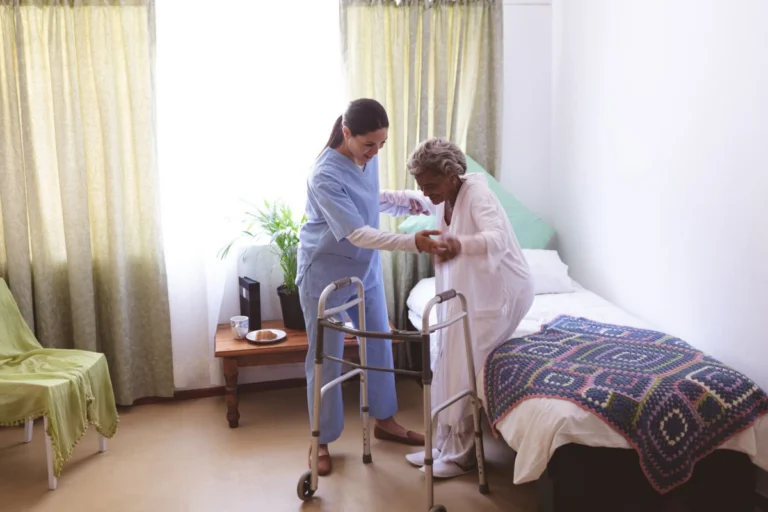
You may need to make some preparations for post-operative therapy at home, especially if the patient will require mobility assistance, such as the use of a walker or wheelchair. The medical team will also need to be able to work safely and access equipment. Consider these adjustments:
- Create Clear Pathways – Remove throw rugs, secure electrical cords, and clear clutter from hallways to ensure a safe and unobstructed path. If you’re using a walker or wheelchair, make sure there is ample width to move freely between the bedroom, bathroom, and kitchen.
- Designate a Medical Station – Set aside a clean, well-lit area for your medical supplies. This might be a nightstand or a dedicated table where specialized equipment, wound dressings, and medications can be organized and easily accessed by your nurse or caregiver.
- Bathroom Safety – The bathroom is a common site for falls. Consider installing grab bars, using a shower chair, or adding a raised toilet seat or commode to enhance your safety and comfort. These modifications reduce physical strain and the risk of injury.
- Accessibility of Essentials – Move everyday items to waist height. You shouldn’t have to reach high up into cupboards or bend low to the floor to get water, snacks, or toiletries.
The Benefits of Professional In-Home Care After Surgery
Recovering at home with support from trained caregivers offers advantages over recovering alone or in a rehabilitation facility. The primary benefit is the psychological boost of being in a familiar environment, which studies show can actually aid the healing process. However, the benefits extend far beyond comfort:
- Reduced Risk of Infection – Hospitals and rehab centers carry a higher risk of exposure to hospital-acquired infections. Recovering at home minimizes this exposure.
- Personalized, One-on-One Attention – In a facility, staff must divide their attention among many patients and prioritize emergencies. At home, your caregiver or nurse is focused exclusively on you, noticing subtle changes in your condition immediately.
- Medication Adherence – Managing a new regimen of painkillers, antibiotics, and blood thinners can be confusing. Professional caregivers ensure the correct dosage is administered at the right time, preventing potentially dangerous errors.
- Support for Daily Activities – Recovery takes energy. Having assistance with bathing, dressing, and meal preparation allows you to conserve that energy for healing while remaining safe.
The Critical Role of Skilled Nursing in Recovery
Our skilled nursing care is provided by Registered Nurses (RNs) or Licensed Practical Nurses (LPNs) and is distinct from non-medical caregiving. For patients recovering from major procedures, such as open-heart surgery, total hip replacements, or abdominal surgeries, we perform tasks that patients or family members aren’t trained to do. These include changing sterile dressings on surgical sites, managing IV antibiotics, monitoring vital signs for indications of sepsis or complications, and managing drainage tubes or catheters. If a surgical site looks redder than it should, or if your blood pressure fluctuates, our clinicians have the training to assess the situation and intervene early.
Common Challenges Patients Face During Home Recovery
Every patient has a unique recovery process, but these are some common issues patients and their families might encounter after the transition home:
- Pain Management – Pain is inevitable after surgery, but it must be managed to allow for movement and rest. A common challenge is balancing pain relief with the side effects of medication, such as drowsiness or nausea. Medical professionals make it more manageable by tracking pain levels and medication timing to keep you comfortable without over-medication.
- Mobility and Independence – Tasks that were once easy, like walking to the mailbox or showering, may now require assistance. This loss of independence can lead to irritability or depression. Having a compassionate caregiver who respects your dignity while assisting you can mitigate these feelings.
- Fatigue and Sleep Disruption – The body uses a tremendous amount of energy to heal tissue. Patients often feel exhausted but struggle to sleep due to discomfort. Establishing a routine with assistance from a home health aide can help regulate sleep patterns and ensure you get the rest required for tissue repair and recovery.
What to Look for in a Post-Surgery Home Care Provider
When you research temporary home care after surgery for yourself or a loved one, look for accreditation and certification. Agencies like ours, which are Medicare-certified and CHAP-accredited (Community Health Accreditation Partner), meet the highest national standards for quality and safety. Another factor to consider is the ownership structure. Unlike national franchises that often rely on corporate templates, Complete Home Care is a privately owned, non-franchised agency. Our leadership team lives in the same communities we serve, including Broward, Palm Beach, Martin, and St. Lucie Counties. This local connection enables faster decision-making, direct accountability, and a personal understanding of local physicians and hospitals. Finally, ask about staffing and supervision. Ensure that the agency employs its own staff rather than relying solely on contractors, and verify that licensed clinicians supervise all care plans.
Frequently Asked Questions About Post-Surgery Care
What Are the Different Types of Home Care After Surgery?
There are generally two categories: Skilled Home Health Care and Private Duty (Non-Medical) Care. Skilled care involves medical services provided by nurses and therapists, including physical, occupational, and speech therapy, and is often covered by Medicare or insurance. Non-medical care involves assistance with Activities of Daily Living (ADLs), such as bathing, dressing, meal preparation, and transportation, which is typically covered by private pay or long-term care insurance. Many patients benefit from a combination of both.
How Do I Find Post-Surgery Care?
You can find care by asking your hospital discharge planner for a list of local agencies, consulting your surgeon for recommendations, or researching local, accredited providers online. Look for agencies with strong ties to your specific community and positive patient testimonials.
What Is the Best Way to Manage Pain at Home After Surgery?
Effective pain management involves a multi-modal approach. This includes taking prescribed medications on a strict schedule rather than waiting for the pain to become severe, using ice or heat as directed by your physician, elevating the surgical site to reduce swelling, and practicing guided breathing or relaxation techniques.
What Type of Surgery Is the Hardest to Recover From?
Recovery difficulty is subjective, but generally, surgeries involving major organs like heart or lung surgery, spinal fusions, and major joint replacements (hip or knee) require the most intensive and lengthy rehabilitation. Abdominal surgeries can also present significant challenges regarding mobility and core strength during the recovery period.
Compassionate Care Right Where You Belong
Recovery should never be anything you attempt to take on alone. Complete Home Care is honored to be the trusted choice for skilled nursing after surgery in Central and Southern Florida. We value integrity, excellence, and compassion while offering a steady hand to help you navigate your home safely. If you or a loved one is planning a surgery or returning home after a recent procedure, contact us to discuss how we can administer your personalized care plan at home.
About the Author

Kathy Maston
Regional Sales Manager, Complete Home Care
Bringing compassion, connection, and strategic leadership together to support families and partners across Florida.
Kathy Cunningham Maston serves as Regional Sales Manager for Complete Home Care, where she leads business development and community outreach efforts across Florida. With more than a decade of experience in senior care and healthcare services, Kathy brings a relationship-driven, patient-centered approach to helping families and partners navigate home health and in-home care with confidence.
Throughout her career, Kathy has held leadership roles in home health, hospice, and senior living, including positions in business development, community care management, and regional placement. Her extensive background allows her to understand the full continuum of care and the importance of strong collaboration between healthcare providers, referral partners, and families.
In her current role, Kathy works closely with physicians, hospitals, case managers, senior living communities, and care coordinators to ensure patients receive timely, high-quality support at home. Based out of Complete Home Care’s Greenacres office, she plays a key role in strengthening partnerships, expanding market presence, and mentoring teams throughout the region.
Kathy is deeply committed to supporting older adults and their families with compassion, integrity, and transparency. She believes that successful care begins with trust, clear communication, and genuine advocacy. Her passion for helping individuals maintain dignity, independence, and quality of life continues to guide her work every day.