How Do You Get Home Health Care? Steps, Qualifications & What to Expect
Recovering from an illness, injury, or surgery is no walk in the park. While hospitals and rehabilitation centers provide temporary care, most people would prefer to heal in the comfort of their own bedroom rather than a clinical setting. Home health care bridges the gap between the hospital and home. This service allows patients to receive professional medical treatment without an extended hospital stay. It offers independence and familiarity, which can be crucial factors in the healing process. Here’s how to access home health care for yourself or a loved one.
What Is Home Health Care?
Home health care is a wide range of health care services delivered in your home for an illness or injury. It is usually less expensive, more convenient, and just as effective as the care you get in a hospital or skilled nursing facility.
Crucially, home health care is skilled care. It is distinct from “home care” or “personal care,” which primarily involves assistance with daily activities like bathing, cooking, or cleaning (though home health aides can assist with some of these tasks if they are part of the medical plan). Home health care is medical in nature and is provided by licensed professionals, such as registered nurses, physical therapists, and occupational therapists.
What’s Included in Home Health Care?
The primary goal of skilled nursing care at home is to treat an illness or injury. It includes a wide range of services that help patients regain their independence and live as comfortably as possible. Common offerings include:
- Physical therapy
- Occupational therapy and daily living skills
- Speech and language therapy
- Medical social services
- Home health aids
- Post-hospital and transitional care
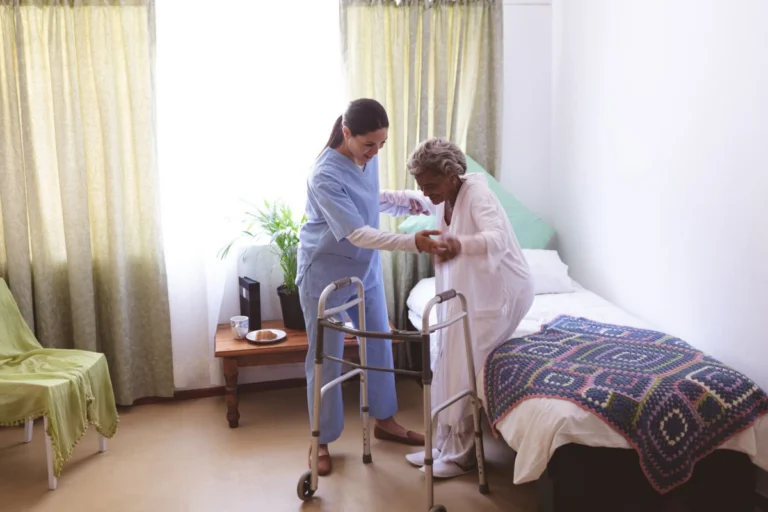
- Fall prevention
- Chronic condition support and monitoring
- Care coordination and physician communication
- Patient and family education
What to Expect During Home Health Care
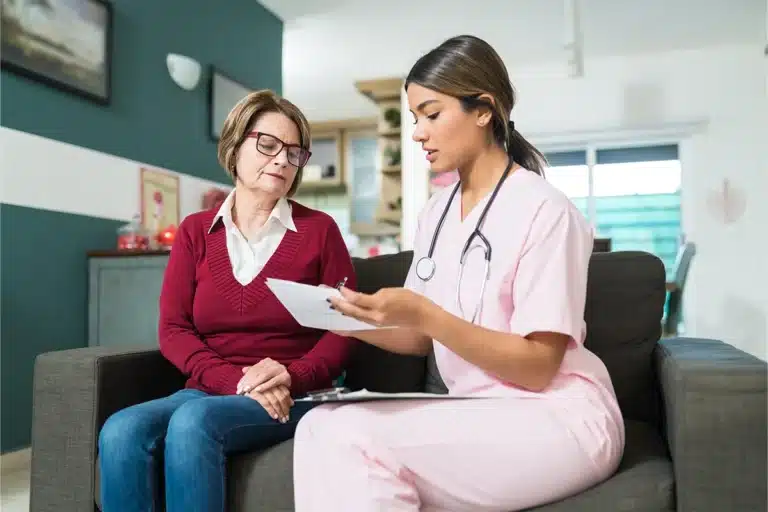
In most cases, home health care isn’t monitored 24/7. Rather, these services consist of several visits from a professional each day. First, a nurse or therapist will conduct a home health evaluation to identify your loved one’s needs and safety risks. They will check their vitals and review medications to ensure no negative interactions.
During the following visits, staff will perform specific tasks ordered by your loved one’s doctor, such as changing dressings or guiding rehabilitation exercises. They’ll also update the doctor on any progress. If your loved one runs into issues, the home health care team will report back to the doctor and discuss potential adjustments to the care plan.
Who Qualifies for Home Health Care Services?
Eligibility is the most common hurdle for patients seeking care. While requirements can vary by insurance provider, most follow the guidelines set by Medicare. Generally, your loved one will need to meet these home care qualifications to receive services:
- Doctor’s Order—Your loved one must be under the care of a doctor, and they must have an established plan of care.
- Need for Skilled Care—Your loved one must need intermittent skilled nursing care, physical therapy, speech-language pathology, or continued occupational therapy.
- Homebound Status—This is often the most important qualification for Medicare recipients. Being “homebound” means your loved one has trouble leaving their home without help because of an illness or injury. A patient can still be considered homebound if they leave home for medical treatment or short, infrequent trips, such as attending religious services.
How Do You Get Home Health Care?
Getting full-time home health care doesn’t have to be a headache. It usually starts with a simple conversation with a healthcare professional. Try speaking with one of the following people to get started:
- Hospital Discharge Planners—If your loved one is currently in the hospital, a discharge planner or social worker can help arrange home health care before they leave. They often have a list of Medicare-certified agencies.
- Doctors—Your loved one’s primary care physician or specialist can often refer them to a reputable home health agency.
- Insurance Representatives—Contact your loved ones’ insurance company to see which agencies are in-network.
The Benefits of Home Health Care
Senior home health care services come with a slew of benefits. While hospital stays and rehabilitation facilities can certainly be helpful, here’s why so many patients prefer home health providers:
- Comfort—Being in familiar surroundings with your own bed, food, and family can significantly boost mental well-being. Don’t underestimate how much mental well-being can speed along with physical recovery!
- Personalized Care—In a home health setting, care plans are tailored specifically to your loved one’s home environment. A physical therapist, for example, can teach them how to navigate their specific staircase or bathroom safely.
- Cost-Effectiveness—For many, home health care is more affordable than staying in a hospital or skilled nursing facility. Talk to your loved one’s insurance company or ask about Medicare-certified home care.
- Independence—Oftentimes, home health care allows patients to maintain dignity and a sense of normalcy in their daily lives.
- Reduced Re-hospitalization—Regular monitoring helps catch complications early, preventing unnecessary emergency room visits.
Is Home Health Care Right for You?
While the benefits are clear, home health care isn’t for everyone. It works best for individuals who have a supportive environment and don’t need 24-hour monitoring, like they would receive in a hospital. Before choosing a home health care service, ask yourself these questions:
- Is my loved one’s home a safe environment for recovery?
- Do I have family members or friends who can assist with caregiving when the nurse isn’t there?
- Is my loved one willing to participate actively in their recovery plan?
- Does my loved one meet the “homebound” criteria?
Contact Complete Home Care for Exceptional Service
Navigating medical recovery is difficult, but you don’t have to do it alone. If you or a loved one is facing recovery from surgery or managing a chronic illness, professional support in the home can make all the difference. At Complete Home Care, our team of dedicated nurses and therapists is ready to help you heal where you are happiest: at home. Contact us today to discuss your needs and verify your eligibility.
About the Author

Kathy Maston
Regional Sales Manager, Complete Home Care
Bringing compassion, connection, and strategic leadership together to support families and partners across Florida.
Kathy Cunningham Maston serves as Regional Sales Manager for Complete Home Care, where she leads business development and community outreach efforts across Florida. With more than a decade of experience in senior care and healthcare services, Kathy brings a relationship-driven, patient-centered approach to helping families and partners navigate home health and in-home care with confidence.
Throughout her career, Kathy has held leadership roles in home health, hospice, and senior living, including positions in business development, community care management, and regional placement. Her extensive background allows her to understand the full continuum of care and the importance of strong collaboration between healthcare providers, referral partners, and families.
In her current role, Kathy works closely with physicians, hospitals, case managers, senior living communities, and care coordinators to ensure patients receive timely, high-quality support at home. Based out of Complete Home Care’s Greenacres office, she plays a key role in strengthening partnerships, expanding market presence, and mentoring teams throughout the region.
Kathy is deeply committed to supporting older adults and their families with compassion, integrity, and transparency. She believes that successful care begins with trust, clear communication, and genuine advocacy. Her passion for helping individuals maintain dignity, independence, and quality of life continues to guide her work every day.