
How to Choose the Right Type of In-Home Care: Private Duty, Home Health, or Hospice?
When the need for additional care for yourself or a loved one arises, is it often during a crisis and determining the best options can be overwhelming. From private duty clinical care to hospice services, each model offers distinct benefits, costs, and eligibility requirements. It’s a lot to sort through. We have listed some of the most common options available here to give you a starting point.
Understanding Different Types of Care at Home
Private Duty Clinical Care
This is privately paid, personalized medical care delivered at home. It is tailored to individual needs and offers the most flexibility, coverage and control. It can include skilled nursing, medication management, wound care, and chronic condition support. Best for individuals needing consistent clinical oversight and want to choose their service level without insurance restrictions.
- Flexibility: highly flexible, customizable hours and services.
- How you pay: hourly rates vary by level of service, paid privately, workers comp or long-term care insurance.
- Purpose: enable patients to recover in the privacy and safety of their home with the amount of coverage they choose.
Home Health Aide Care
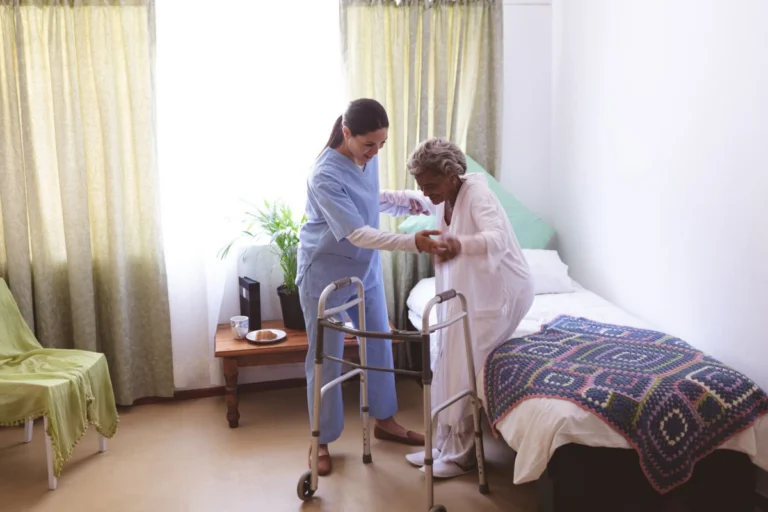
Home health aides assist with daily living activities like bathing, dressing, and light housekeeping. Some agencies can also provide Certified Nursing Assistants who can provide some clinical services under the supervision of an RN while some are not licensed to provide any medical care but are essential for maintaining comfort and safety. If you are not sure what you need, ask the provider. Best for people who want to choose how much support they need and would like the peace of mind of a qualified caregiver in their home.
- Flexibility: highly flexible, generally scheduled in minimum shifts of 4 hours with services being highly customizable to individual needs and times.
- How you pay: hourly rated vary by type of service. In qualified situations, may be covered by long term care insurance, workers comp. In some cases, Medicaid, VA or other public programs may be available.
- Purpose: enable patients to recover in the privacy and safety of their home when they do not have highly complex clinical needs but do need support.
Medicare-Certified Home Care
This is intermittent, short-term skilled care prescribed by a physician and covered by Medicare or insurance plans. It can include nursing, physical therapy, and occupational therapy as determined by the plan of care. Patients are often referred after a hospital or long-term care stay and services require a doctor’s order. Nurses, aides or therapists come to the home for short visits several times a week to perform specific clinical care to aid in patient recovery. Patients must meet the Medicare criteria for homebound to be covered for the service.
- Flexibility: limited, must meet Medicare criteria and follow specified care plan.
- How you pay: Covered by Medicare Part A or B or Medicare Replacement Plans.
- Purpose: patients who have specific, qualifying needs and cannot leave their home for treatment can receive care and services without a continued inpatient stay.
Hospice Services
Hospice provides intermittent comfort-focused care for individuals with terminal illnesses and a life expectancy of six months or less. Services include pain management, emotional support, and spiritual care delivered by a team. Hospice requires a doctor’s order specifying the terminal condition and life expectancy. Hospice care coverage varies by patient needs from a few hours a week to short-term round-the-clock services. The hospice team determines the need through ongoing evaluation.
- Flexibility: Structured, based on a care plan and prognosis.
- How you pay: Covered by Medicare, Medicaid, and most private insurers.
- Purpose: provide comfort care services to patients and families in the final six months of life.
The choice of services and providers is challenging. In addition to researching articles like this one, seek support from your healthcare provider, hospital care managers and service providers. The Complete Home Care Chat is available 24-7 to answer your questions about available options.
About the Author

Kristen Cusack
Business Development Strategist, LifeCare Home Health Family – Private Duty In-Home Care Division
Bringing leadership, compassion, and innovation to in-home care across Florida and Texas.
Kristen is an innovative healthcare executive and business development strategist with a strong record of leading start-ups, private equity ventures, and high-growth healthcare organizations. At LifeCare Home Health Family, she plays a key role in expanding the Private Duty In-Home Care Division, helping families access compassionate, high-quality care that meets their unique needs.
With extensive expertise in strategic planning, multi-site management, and organizational development, Kristen is passionate about fostering sustainable growth while empowering teams to perform at their best. Her leadership combines data-driven strategy with a deep commitment to advancing healthcare practices that make a meaningful difference in patients’ lives.