What to Do When an Elderly Parent Keeps Falling: Safety Tips & Home Care Solutions
What to Do When an Elderly Parent Keeps Falling
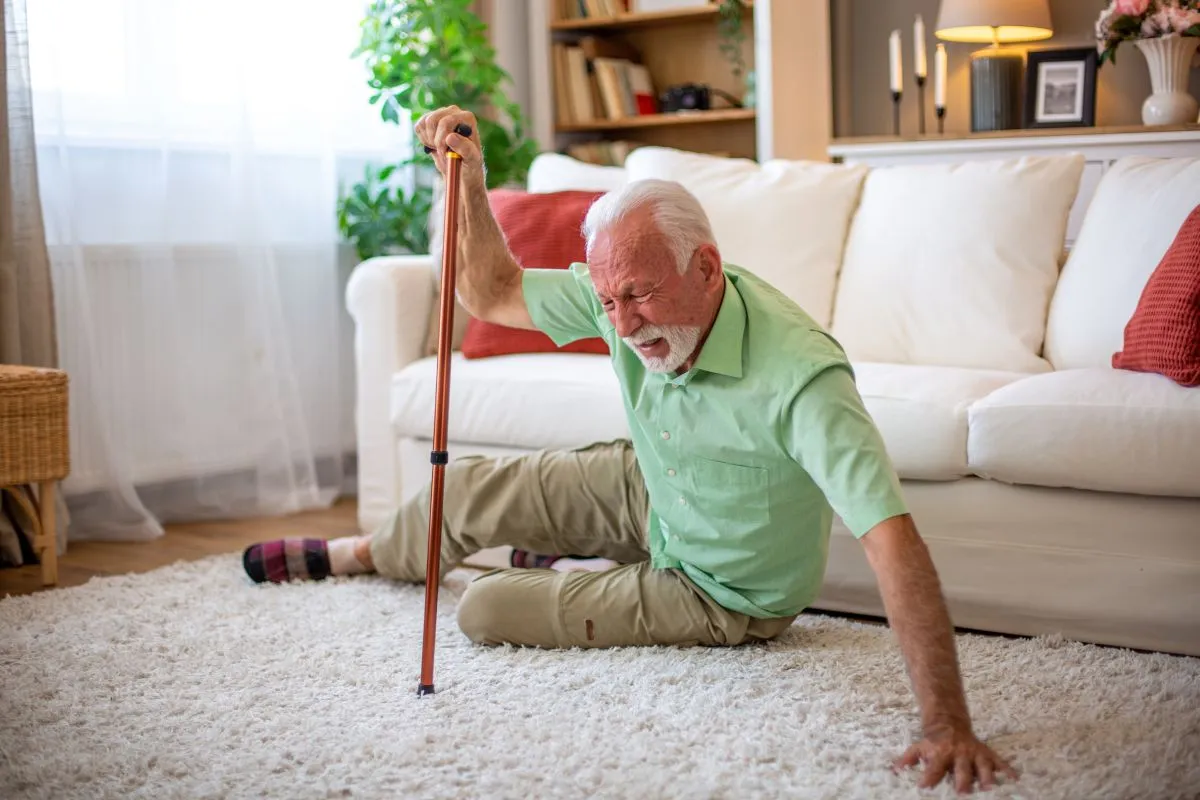
We’ve all tripped and fallen before. Maybe you slipped on a freshly mopped floor, or you tripped over a toy your child left in the living room. While accidents are sometimes a part of life, they can become much more common (and dangerous) as we age. Older folks are especially prone to falls, and as a family caregiver, avoiding them is one of your top priorities. Are you ready to be proactive about home care fall prevention? Here are our tips for helping an aging loved one.
1. Understand Why Falls Happen
Falls are rarely random events. They usually result from a combination of physical, medical, and environmental factors that add up over time. Before you do anything else, try to pinpoint what’s causing your loved one to fall. Here are a few things to consider:
- Physical Decline—Muscle weakness, poor balance, and deteriorating vision make it difficult for seniors to navigate their surroundings safely. A slight misstep that a younger person could easily recover from often results in a serious tumble for an older adult.
- Mobility and Medical Concerns—Chronic illnesses like Parkinson’s disease and arthritis directly impact mobility and coordination. Furthermore, many seniors take multiple prescription medications that cause side effects like dizziness and drowsiness, which can, in turn, increase fall risk.
- Environmental Hazards—Is your loved one’s home more of an obstacle course? Cluttered walkways, loose throw rugs, trailing electrical cords, and poor lighting create serious tripping hazards.
2. Chat With Their Doctor
Next, it’s time to talk to your loved one’s doctor about home care fall prevention. Schedule a medical evaluation as soon as you have concerns. Their doctor can look at their medications and adjust prescriptions to minimize side effects that may cause falls. Healthcare professionals can also check for underlying issues like inner ear infections, vision changes, or vitamin deficiencies that might affect balance.
3. Do a Fall Risk Home Assessment
Turn your attention to your loved one’s living space. Take a walk through their home with a critical eye and look for potential dangers. If you identify any hazards, take steps to clear them right away. Remove all tripping hazards from the floor, install sturdy grab bars in the bathroom, and add non-slip mats to slick surfaces. It’s also good practice to improve lighting throughout the home, especially in hallways and staircases where a fall is particularly dangerous.
4. Encourage Physical Therapy
If your loved one isn’t already in physical therapy, this level of care may help. A physical therapist can design a customized exercise program tailored to their specific abilities. With consistent sessions, your loved one is likely to strengthen their core muscles, improve joint flexibility, and enhance overall balance.
5. Look for Skilled Nursing Fall Support
As you strive for senior safety at home, don’t be afraid to ask for help! Skilled nursing services can help support you as you create a secure environment. Professional caregivers provide watchful eye and physical support during high-risk activities, such as getting out of bed, navigating the stairs, or taking a shower. They also help keep the home tidy, prepare nutritious meals, and remind seniors to take their medications exactly as prescribed. Having a trained professional in the house brings immense peace of mind to adult children who cannot be there every minute of the day.
FAQS About Fall Prevention
What should I do immediately after my elderly parent falls?
First, stay calm and check for injuries before attempting to move them. If they’re in severe pain, bleeding, or can’t get up, call emergency services immediately. Do not force them to stand. If they are unhurt and feel strong enough to rise, bring a sturdy chair over. Guide them to roll onto their side, get onto their hands and knees, and use the chair to slowly push themselves up.
Are there wearable devices that help prevent falls?
Medical alert systems and smartwatches with automatic fall detection can immediately notify family members or dispatch emergency services if a fall occurs. While they do not physically stop a fall, they ensure immediate help arrives.
How do I talk to my stubborn parents about using a walker?
Approach the conversation with empathy and patience. Many seniors resist mobility because they think it means admitting they’re no longer independent. Focus the discussion on how a cane or walker will increase their independence and allow them to safely do the things they love.
Does Medicare cover home modifications for fall prevention?
Original Medicare typically does not cover general home modifications like wheelchair ramps or bathroom grab bars. However, if a doctor prescribes physical therapy or durable medical equipment, such as a walker, Medicare Part B usually helps cover those costs. Always check with your specific coverage before assuming something will be paid for.
Creating a Safer Environment for Your Loved One
We don’t want to think about what happens if our aging parents fall and get hurt, but planning for the worst often leads to the best outcome. When you need support for a senior, look to Complete Home Care. We help families in Central and Southern Florida feel more secure and confident about their loved one’s well-being. Get in touch with us to learn more about our care approach, including fall prevention and transitional care services.
About the Author

Renan Augusto
Marketing Manager, LifeCare Home Health & Hospice Family
Blending digital innovation, compassion, and strategy to elevate in-home care, home health, and hospice across the LifeCare Home Health & Hospice Family.
Renan Augusto is a digital marketing strategist with a Master of Science in Digital Marketing, Meta Digital Marketing Certification, and specialized training in AI-powered marketing through Semrush. He brings a strategic, people-first approach to the LifeCare Home Health & Hospice Family, helping families across the country to find trusted, compassionate in-home care through clear and meaningful communication.
With extensive experience in the senior care space, Renan has helped hundreds of families begin home care services. As a Certified Dementia Practitioner, he brings empathy and clarity to every project, ensuring that education and outreach remain accessible, respectful, and centered on real people.
Renan previously served as Marketing Chair for GROWS and continues to serve as an Advisor. GROWS is a nonprofit organization focused on strengthening the senior care community through advocacy, education, and collaboration. His work centers on connection, authenticity, and digital strategies that make a meaningful difference in people’s lives.