In-Home Physical Therapy Services: Benefits, Safety, and How Treatment Works
Recovering from an injury, illness, or surgery is a challenging process. Even beyond the time and effort it takes, commuting to appointments proves to be a hassle for many. That’s why Complete Home Care specializes in bringing physical therapy to our patients’ homes in Greenacres, St. Petersburg, Miami Lakes, and other areas of South and Central Florida. Our high-quality in-home physical therapy services can help you regain your independence without having to leave the house.
What Is In-Home Physical Therapy?
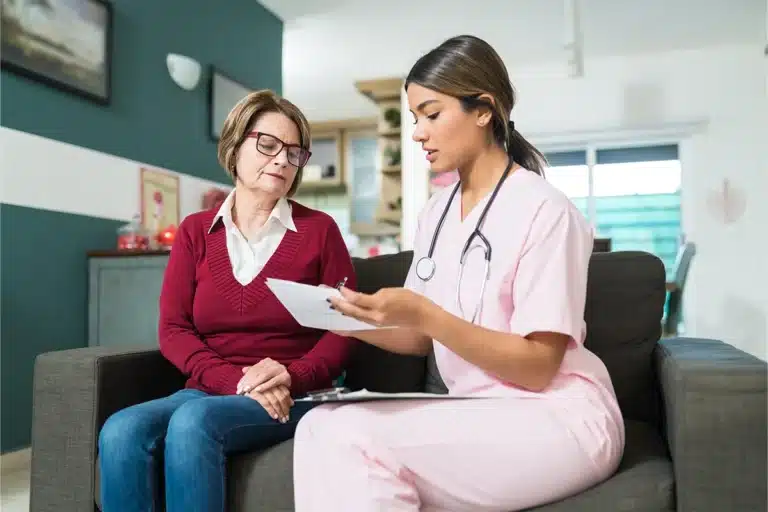
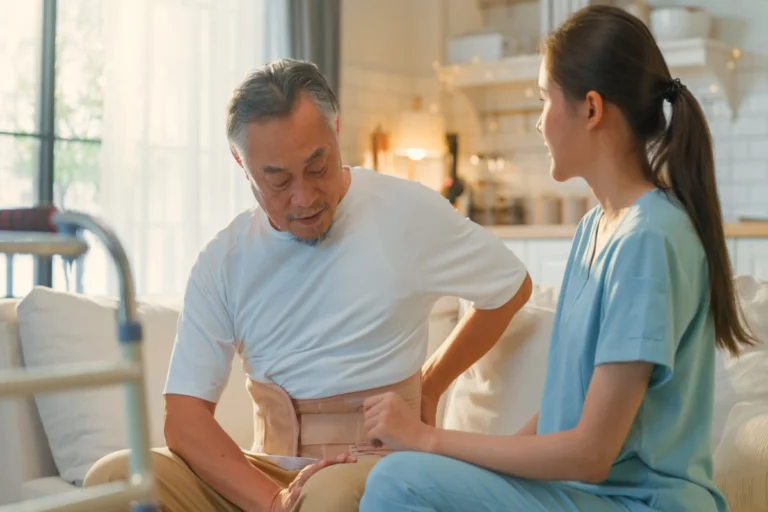
In-home physical therapy is exactly what it sounds like. Instead of you going to an outpatient clinic or a hospital for your rehab, a licensed physical therapist comes to your house. The goal remains to help you move better and relieve pain. The only difference is the location. Your therapist will bring all the necessary tools and equipment with them. They’ll then work with you one-on-one to create a plan that fits your needs and home environment.
This service is often covered by Medicare and many private insurance plans, especially if a doctor certifies that leaving the home is difficult for you.
Types of Treatments and Services Offered Through In-Home Physical Therapy
Some wonder whether they can get the same level of care at home as they would in a gym. And while a therapist can’t bring heavy weight machines to your living room, they can still provide a wide range of effective treatments. Some common services Complete Home Care provides during physical therapy at home are:
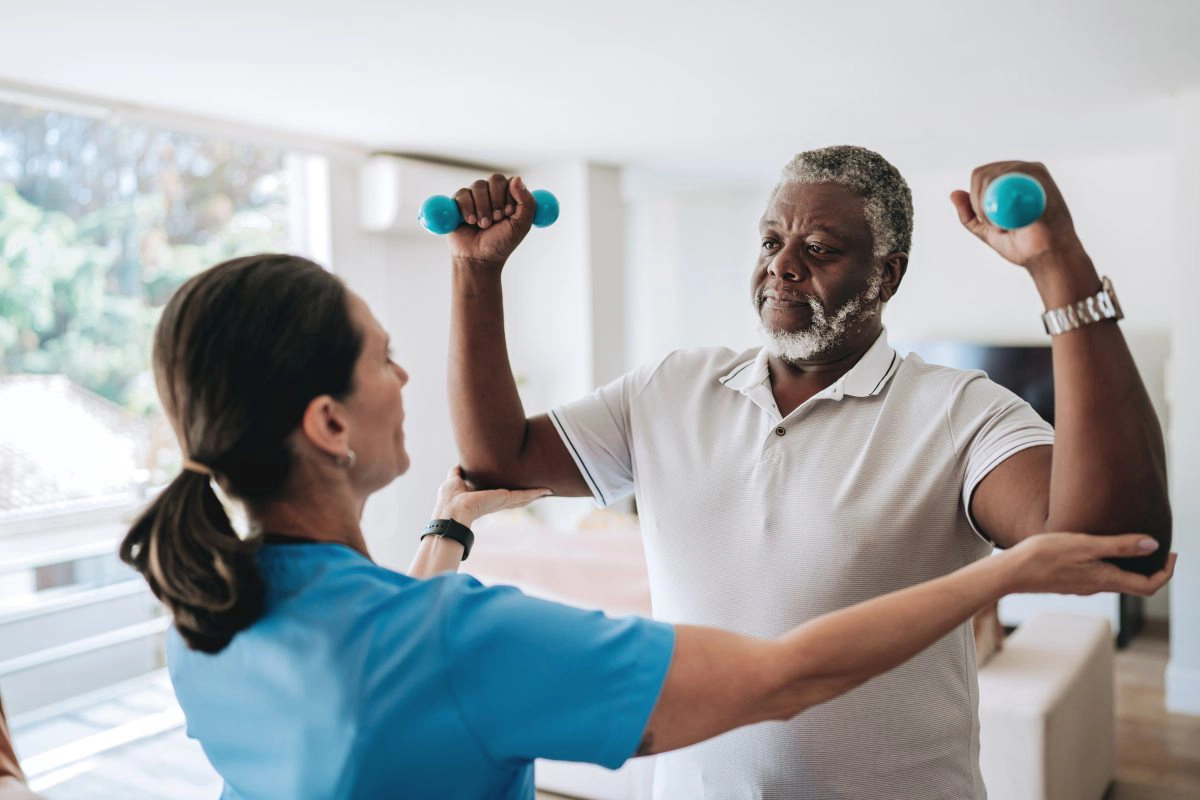
- Strength Training – We’ll use resistance bands, light weights, or your own body weight to build muscle.
- Balance Training – These exercises are designed to keep you steady on your feet and prevent falls.
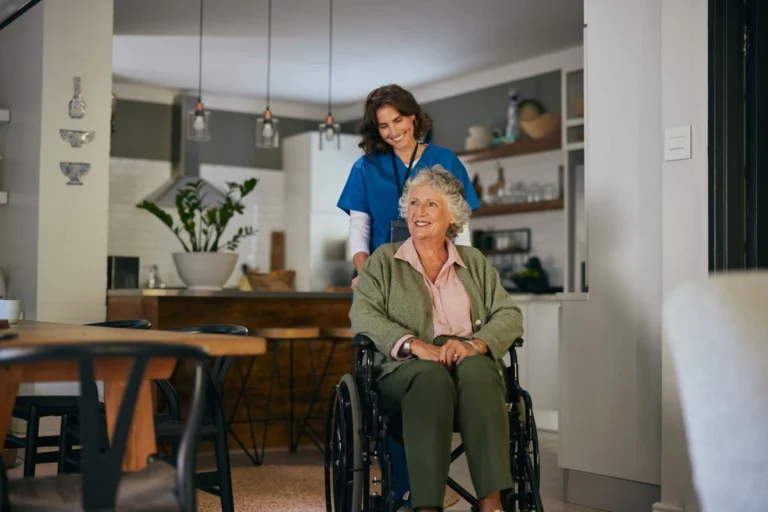
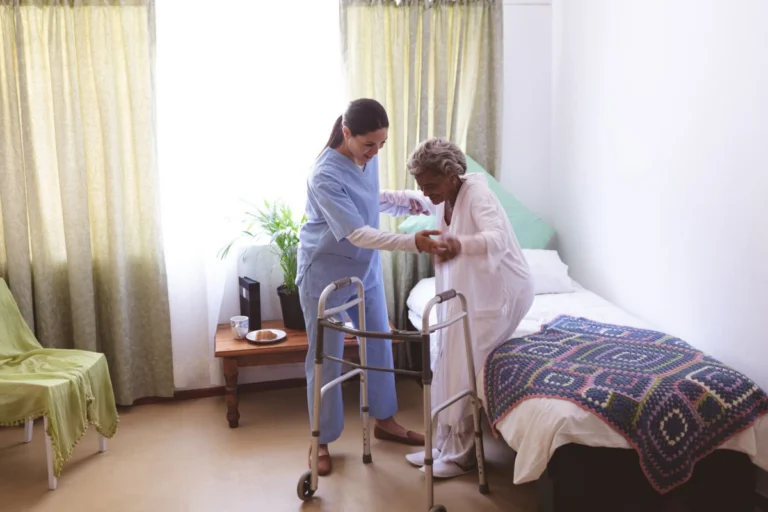
- Gait Training – This involves teaching you how to walk correctly – perhaps with a walker or a cane – to improve safety.
- Range of Motion Exercises – These gentle stretches and movements will keep your joints flexible.
- Pain Management – Techniques like massage or heat/ice therapy can lower pain levels.
- Home Safety Assessments – The therapist will examine your home to identify tripping hazards like loose rugs or cords.
In addition to physical therapy, occupational therapy home care may also be an option to consider. While physical therapy focuses on movement, occupational therapy will help you perform daily tasks.
What Conditions Can You Treat With In-Home Physical Therapy?
Physical therapy isn’t just for athletes. It’s a powerful tool for treating many different health issues. In-home care is especially helpful for conditions that make moving around difficult, including:
- Post-Surgical Recovery – After a hip or knee replacement, moving is hard. Therapy at home helps you start moving safely right away.
- Stroke Recovery – Relearning how to walk and use your limbs is often easier in a familiar setting.
- Falls and Balance Issues – If you’ve fallen recently, a therapist can help strengthen your legs to prevent it from happening again.
- Arthritis – Gentle movement can help reduce the stiffness and pain in your joints.
- Heart and Lung Conditions – Therapy can help build your endurance, allowing you to breathe more easily.
- Neurological Diseases – Conditions like Parkinson’s disease or multiple sclerosis often respond well to consistent therapy.
Key Benefits of Receiving Physical Therapy at Home
Choosing to have your therapy at home has many advantages beyond just saving gas money, such as:
- One-on-One Attention – In a busy clinic, a therapist might be juggling two or three patients at once. At home, you have their undivided attention.
- Real-Life Training – When you learn to walk or climb stairs in a clinic, you’re using their stairs. When you do it at home, you’re learning on your stairs. Senior rehabilitation at home is more useful because it involves navigating your rooms and furniture.
- Safety and Infection Control – Clinics are clean, but they’re also public places with many people coming and going. By staying home, you limit your exposure to germs and viruses, which is important for patients with weak immune systems.
- Family Involvement – When a therapist comes to your house, your family members can be there, too. They can see what exercises you need to do and learn how to help you safely.
Comparing In-Home and Outpatient Physical Therapy
It’s helpful to compare home care to visiting a traditional outpatient clinic. For many people, starting with in-home care is the best choice. Once they get stronger and can drive comfortably, they might switch to outpatient therapy.
Outpatient Therapy
- Equipment – Clinics usually have large gym equipment, like treadmills and leg presses.
- Social Aspect – You might see other patients and feel motivated by watching them work.
- Travel – You must arrange transportation to get there.
In-Home Therapy
- Convenience – The therapist comes to you, saving you travel time and energy.
- Privacy – You exercise in your own space without strangers watching.
- Functionality – You learn to move safely in the place where you live.
- Consistency – You’re less likely to miss an appointment because of bad weather or car trouble.
Challenges and Considerations for In-Home Physical Therapy
While in-home therapy is fantastic, there are a few things to keep in mind to ensure it works well for you:
- Space – You don’t need a home gym, but you do need enough clear floor space to move around safely. You might need to push a coffee table out of the way before your therapist arrives.
- Distractions – If you have pets that like to jump or run around, it’s best to put them in another room during your session so that you can focus on your exercises without worrying about trips and falls.
- Equipment – If your recovery requires heavy weightlifting machines, in-home therapy might not be enough on its own. However, therapists are very creative. They can often simulate these exercises using bands and body weight.
Contact Us for Skilled Therapy Services Today
Complete Home Care takes pride in providing skilled therapy services in Central and South Florida. Our therapists in Tampa, Fort Lauderdale, and beyond know how to push you enough to get results, but not so much that you’ll get hurt. Regardless of your goals, we’ll create a plan to achieve them. Contact us today to schedule a consultation.
About the Author

Renan Augusto
Marketing Manager, LifeCare Home Health & Hospice Family
Blending digital innovation, compassion, and strategy to elevate in-home care, home health, and hospice across the LifeCare Home Health & Hospice Family.
Renan Augusto is a digital marketing strategist with a Master of Science in Digital Marketing, Meta Digital Marketing Certification, and specialized training in AI-powered marketing through Semrush. He brings a strategic, people-first approach to the LifeCare Home Health & Hospice Family, helping families across the country to find trusted, compassionate in-home care through clear and meaningful communication.
With extensive experience in the senior care space, Renan has helped hundreds of families begin home care services. As a Certified Dementia Practitioner, he brings empathy and clarity to every project, ensuring that education and outreach remain accessible, respectful, and centered on real people.
Renan previously served as Marketing Chair for GROWS and continues to serve as an Advisor. GROWS is a nonprofit organization focused on strengthening the senior care community through advocacy, education, and collaboration. His work centers on connection, authenticity, and digital strategies that make a meaningful difference in people’s lives.