
Transitional Care at Home: Preventing Hospital Readmissions
Returning home after a hospital stay brings a deep sense of relief. You finally get to sleep in your own bed and enjoy the familiar comforts of your own space. However, the first few weeks after a hospital discharge are often a vulnerable time. Patients face a high risk of complications, medication errors, and unexpected setbacks. For families in Central and Southern Florida, managing these medical needs without professional help can feel overwhelming. Juggling prescription schedules, physical therapy routines, and follow-up appointments requires constant attention. Without the right support system in place, patients can easily experience a decline in health that leads straight back to the emergency room.
This is where transitional care at home becomes a vital resource. By bridging the gap between the hospital and home environments, these services ensure a safe, smooth, and healthy recovery. Complete Home Care provides the dedicated guidance families need to navigate this critical period. Read on to learn how a structured approach to post-hospital home care protects your loved ones and supports their long-term well-being.
What Is Transitional Care?
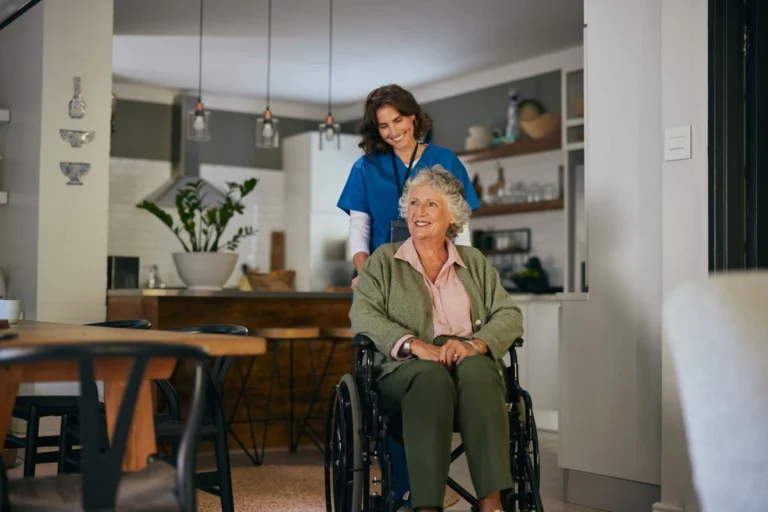
Transitional care refers to the specialized support a patient receives as they move from a hospital or rehabilitation facility back to their home. The goal is to provide continuity of care so that the medical treatments started in the hospital are properly maintained. This level of care involves a team of healthcare professionals, including nurses, therapists, and home health aides. They work closely with the patient’s primary care physician to monitor vital signs, manage pain, and ensure a safe home environment. Rather than leaving families to figure things out on their own, transitional care offers a structured roadmap for healing.
Why Do Hospital Readmissions Happen?
Many hospital readmissions occur within the first 30 days of discharge. Several common factors contribute to these medical setbacks:
- Medication Management Issues: Patients often return home with new prescriptions. Confusion over dosages, timing, or potential drug interactions can lead to serious health issues.
- Lack of Follow-Up Care: Missing appointments with primary care doctors or specialists delays the treatment of emerging symptoms.
- Infection and Complications: Surgical wounds and compromised immune systems require strict hygiene and monitoring. Unnoticed signs of infection can quickly escalate.
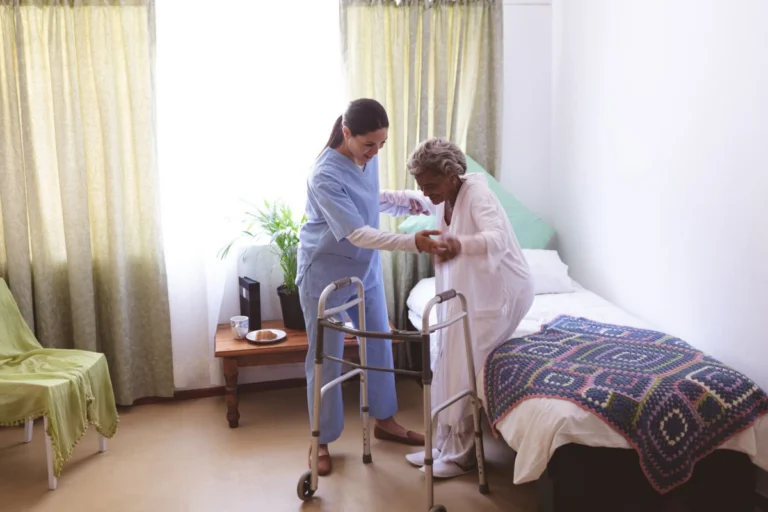
- Falls and Accidents: Homes are rarely equipped for someone recovering from a major illness or surgery. Poor lighting, loose rugs, and a lack of grab bars increase the risk of injury.
Importance of Transitional Care Management in Reducing Hospital Readmissions
Preventing hospital readmissions requires proactive management. Transitional care management identifies potential health risks before they become emergencies. Professionals trained in home health transitional services know exactly what warning signs to look for during the recovery phase. When a nurse or therapist regularly evaluates the patient, they can catch minor issues early. A slight fever or a change in blood pressure might seem insignificant to a family member, but a medical professional will immediately recognize the need for a medication adjustment. This constant oversight removes the guesswork for families and keeps the patient on a steady path to recovery.
How to Prevent Hospital Readmission with Transitional Care
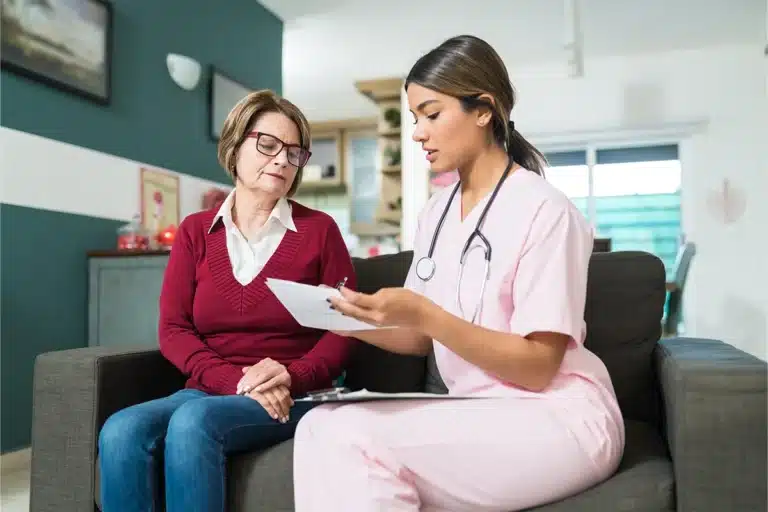
The most effective way to protect a loved one post-discharge is through skilled nursing transitional care. These professionals bring clinical expertise directly into the living room. They educate the patient and the family on specific care techniques, ensuring everyone understands the recovery protocols. Nurses will organize medications into clear, daily schedules. They also assist with wound care, intravenous therapies, and mobility exercises. By handling the complex medical tasks, transitional care teams reduce the physical and emotional burden on family caregivers. This collaborative approach ensures the patient adheres to their doctor’s orders, drastically lowering the chances of a return trip to the hospital.
How to Create a Successful Transitional Care Plan
A strong recovery begins before the patient even leaves the hospital. Creating a successful plan requires clear communication between the hospital discharge planner, the primary care physician, and the home care provider. Start by requesting a comprehensive discharge summary. This document should detail all current medications, dietary restrictions, and physical limitations. Next, schedule a consultation with Complete Home Care to assess the patient’s specific needs. The care team will then outline a daily schedule that includes medication reminders, therapy sessions, and personal care assistance. Having this detailed plan in place ensures that no aspect of the patient’s health is overlooked upon arrival home.
Checklists for Families Supporting a Loved One’s Transition Home
Families play a major role in supporting seniors’ recovery. Use this checklist to prepare your home and routine for a smooth transition:
- Prepare the Home Environment: Clear walkways of clutter and secure loose rugs. Ensure the bathroom has non-slip mats and accessible grab bars. Set up a comfortable resting area on the ground floor if stairs are an issue.
- Organize Medical Supplies: Stock up on necessary bandages, sanitizers, and durable medical equipment such as walkers or shower chairs before the patient arrives.
- Fill Prescriptions Early: Pick up all new medications on the day of discharge. Buy a pill organizer to keep doses sorted by day and time.
- Schedule Follow-Up Appointments: Call the primary care doctor and any necessary specialists to book follow-up visits within the first week of being home.
- Stock the Pantry: Buy nutritious, easy-to-prepare foods that align with the patient’s dietary restrictions.
Long-Term Benefits of Quality Transitional Care
Investing time and resources into proper post-hospital home care pays off long after the initial recovery period. Patients regain their strength and independence much faster when they receive consistent, professional support. Quality transitional care also empowers the patient. By learning how to manage their chronic conditions and recognize their own symptoms, they become active participants in their health. Families benefit from a profound sense of peace, knowing their loved one is safe, comfortable, and receiving excellent care right in the heart of Florida.
FAQs on Transitional Care at Home
Navigating the recovery process can be complex, and it is natural for families and patients to have questions about how home-based support works. To help you make informed decisions about your recovery journey, we have compiled answers to the most common questions about transitional care services and how they can be tailored to your specific needs.
Who Qualifies for Transitional Care at Home?
Anyone recovering from a major surgery, a serious illness, or a prolonged hospital stay can benefit from these services. It is especially beneficial for individuals managing chronic conditions like heart failure or diabetes.
Does Insurance Cover Home Health Transitional Services?
Many health insurance plans, including Medicare, cover transitional care services when prescribed by a doctor. It is always best to verify specific coverage details directly with your insurance provider.
How Long Does Transitional Care Usually Last?
The duration depends entirely on the patient’s medical needs. Some require support for just a few weeks while they regain mobility, whereas others might need assistance for a couple of months.
Supporting Your Loved One’s Recovery in Florida
The journey from the hospital to full health takes patience, knowledge, and a dedicated support system. You do not have to manage complex medical routines and home safety modifications on your own. Professional transitional care at home provides the clinical expertise and compassionate assistance necessary for a safe recovery. If you are preparing for a loved one’s hospital discharge in Central and Southern Florida, contact us today. Our dedicated team is ready to design a personalized care plan that keeps your family member safe, comfortable, and out of the hospital.
About the Author

Kathy Maston
Regional Sales Manager, Complete Home Care
Bringing compassion, connection, and strategic leadership together to support families and partners across Florida.
Kathy Cunningham Maston serves as Regional Sales Manager for Complete Home Care, where she leads business development and community outreach efforts across Florida. With more than a decade of experience in senior care and healthcare services, Kathy brings a relationship-driven, patient-centered approach to helping families and partners navigate home health and in-home care with confidence.
Throughout her career, Kathy has held leadership roles in home health, hospice, and senior living, including positions in business development, community care management, and regional placement. Her extensive background allows her to understand the full continuum of care and the importance of strong collaboration between healthcare providers, referral partners, and families.
In her current role, Kathy works closely with physicians, hospitals, case managers, senior living communities, and care coordinators to ensure patients receive timely, high-quality support at home. Based out of Complete Home Care’s Greenacres office, she plays a key role in strengthening partnerships, expanding market presence, and mentoring teams throughout the region.
Kathy is deeply committed to supporting older adults and their families with compassion, integrity, and transparency. She believes that successful care begins with trust, clear communication, and genuine advocacy. Her passion for helping individuals maintain dignity, independence, and quality of life continues to guide her work every day.