Activities of Daily Living (ADLs): When Does an Older Adult Need Help?
Independence doesn’t usually disappear all at once.
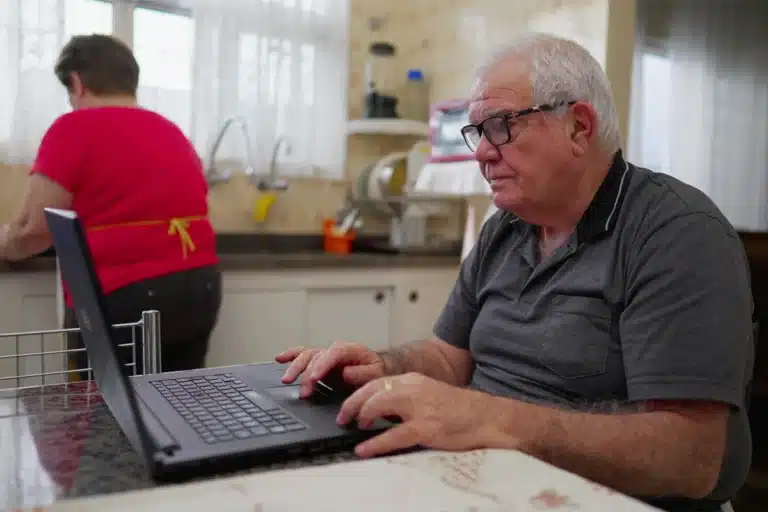
For many older adults, the changes happen gradually. Getting dressed takes a little longer. Stepping into the shower feels less steady. Preparing dinner becomes tiring, or keeping up with medications and household responsibilities starts to feel overwhelming.
Families may notice these changes without knowing exactly what they mean or when it’s time to step in.
Healthcare professionals often use Activities of Daily Living (ADLs) to describe the basic tasks people perform each day to care for themselves. Understanding ADLs can give families a practical way to recognize when an older adult may benefit from additional support while helping preserve as much independence as possible.
What Are Activities of Daily Living (ADLs)?
Activities of Daily Living are the fundamental self-care tasks most people perform every day.
The basic ADLs generally include:
- Bathing: Getting into and out of a shower or bath and washing safely.
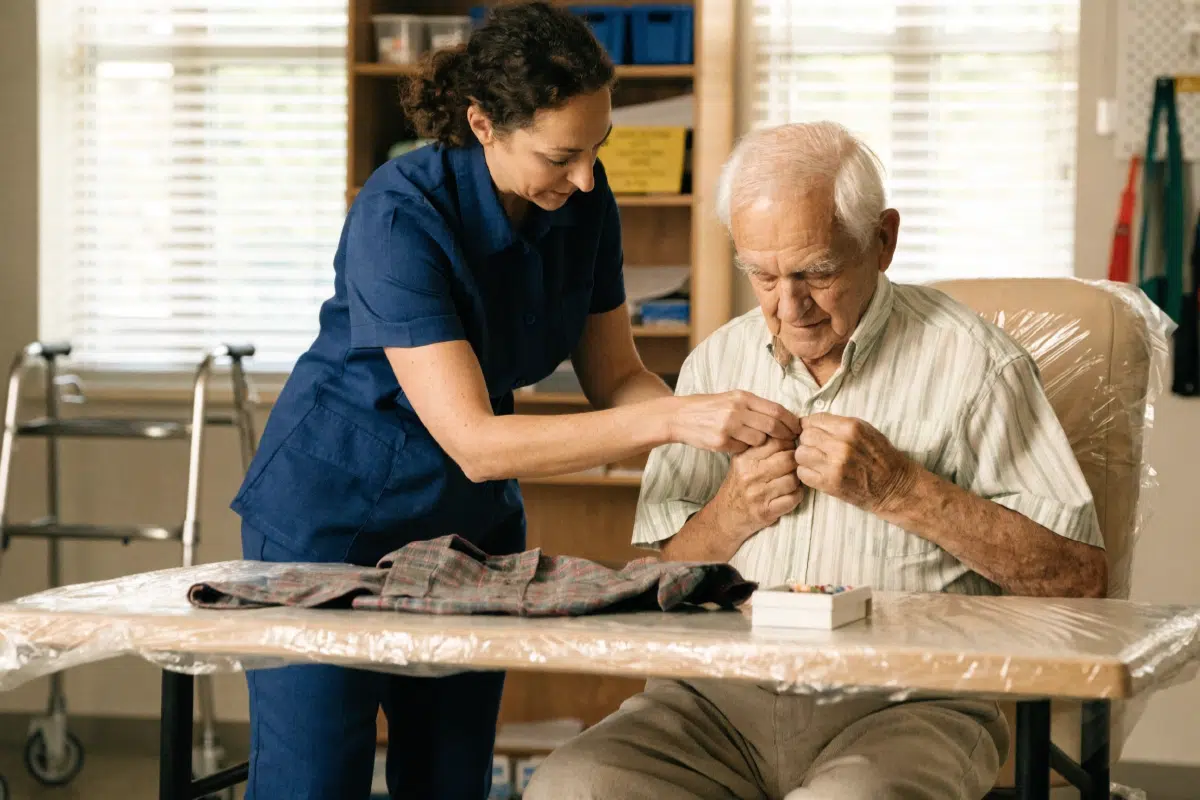
- Dressing: Choosing appropriate clothing and getting dressed independently.
- Toileting: Getting to and using the toilet and managing personal hygiene.
- Transferring and mobility: Moving safely between a bed, chair or other position and navigating the home.
- Eating: Being able to feed oneself once food has been prepared.
- Continence: Maintaining control of bladder and bowel function or appropriately managing continence needs.
A change in one of these abilities doesn’t necessarily mean an older adult can no longer live at home. It may simply mean that certain tasks have become more difficult and some additional support could make everyday life safer and easier.
What Are IADLs?
Families may also hear the term Instrumental Activities of Daily Living (IADLs).
While ADLs involve basic personal care, IADLs are the more complex activities required to manage a household and live independently. These can include:
- Preparing meals
- Shopping for groceries
- Managing medications
- Handling finances and paying bills
- Doing laundry and household tasks
- Using a telephone or other communication devices
- Arranging transportation
- Keeping appointments
Changes in IADLs sometimes appear before difficulties with basic ADLs.
For example, an older adult may still be perfectly capable of bathing and dressing but begin forgetting medications, struggling to prepare meals or allowing bills and household responsibilities to pile up.
These seemingly small changes can provide families with an early opportunity to talk about what kind of help might make life at home easier.
How Do You Know When an Older Adult Needs Help With Daily Activities?
There isn’t a specific number of ADLs someone must struggle with before assistance becomes appropriate.
Instead, look for changes from the person’s normal routine.
Someone who has always enjoyed cooking but suddenly relies on snacks because preparing meals has become exhausting may need a different type of support than someone who has begun having difficulty getting safely in and out of the shower.
Some signs that an aging parent or loved one may need additional help at home include:
- Wearing the same clothing repeatedly
- Changes in grooming or personal hygiene
- Difficulty bathing safely
- Unexplained bruises or frequent falls
- Trouble getting out of bed or a chair
- Weight loss or spoiled food in the refrigerator
- Missed medications
- Unopened mail or unpaid bills
- A home that has become noticeably more cluttered
- Withdrawal from normal activities
- Increasing reliance on family members for everyday tasks
One sign alone doesn’t necessarily indicate a serious problem. What matters more is whether there is a pattern of change and whether those changes are beginning to affect safety, health or quality of life.
Families who are seeing broader changes may also find it helpful to learn about the signs an older adult may no longer be safe living alone.
Why Do ADLs Become More Difficult With Age?
Difficulty with daily activities isn’t simply a normal consequence of getting older.
Changes in ADLs can have many causes, including reduced strength, balance problems, arthritis, vision changes, recovery after surgery or hospitalization, chronic health conditions, and cognitive changes.
That’s one reason families should pay attention when abilities change unexpectedly.
For example, a sudden decline in someone’s ability to dress, walk, eat or manage personal care may warrant a conversation with a healthcare professional. Identifying the reason for the change can help determine what kind of assistance is appropriate.
Falls deserve particular attention. A person who becomes unsteady in the bathroom or needs to hold onto furniture while walking may be at greater risk of injury. Families can learn more about fall prevention and home care solutions for an elderly parent before a fall leads to a more serious setback.
How Can Personal Care Help With Activities of Daily Living?
Needing assistance with an ADL doesn’t necessarily mean giving up independence.
Often, the opposite is true.
The right amount of assistance can help an older adult continue doing what they’re capable of doing while receiving support with tasks that have become difficult or unsafe.
Depending on an individual’s needs, personal care services may provide hands-on assistance with everyday activities such as bathing, dressing, grooming, toileting and mobility, along with other appropriate support at home.
The goal isn’t to take over someone’s daily routine. Good personal care should respect individual preferences and abilities while providing support where it is genuinely needed.
For one person, that might mean help getting ready in the morning. For another, needs may be more extensive.
This individualized approach can be especially valuable for families trying to help an older adult remain independent at home without taking on every caregiving responsibility themselves.
What If Memory Loss Is Affecting ADLs?
Changes in daily activities can sometimes be related to memory loss or cognitive decline.
An older adult may physically be able to prepare a meal but forget that the stove is on. Someone may be capable of taking medication but no longer remember whether a dose has already been taken.
Families may also notice changes in grooming, eating, appointments, finances or familiar routines.
When dementia or Alzheimer’s disease is affecting everyday life, care needs can extend beyond physical assistance. Consistency, familiar routines and appropriate supervision may become increasingly important.
Families navigating these changes can learn more about Alzheimer’s and dementia support at home and the options available as needs evolve.
ADLs vs. Home Health: What’s the Difference?
This distinction can be confusing because both types of care can take place in someone’s home.
Assistance with ADLs is generally associated with personal or in-home care. It focuses on helping someone safely manage everyday activities and routines.
Home Health provides skilled clinical services for eligible patients when medically necessary and ordered as appropriate. Depending on a patient’s needs, this may include skilled nursing, physical therapy, occupational therapy or speech therapy.
An older adult can sometimes need both.
For example, someone returning home after surgery might receive skilled therapy through Home Health while also needing assistance with bathing, dressing, meals or other everyday activities.
Understanding the difference can help families identify the right type of care at home for their situation.
When Should Families Consider More Support at Home?
There isn’t one universal moment when professional help becomes necessary.
A useful question is:
What has become difficult, unsafe or stressful that used to be manageable?
It may be time to explore additional help when an older adult is struggling with multiple ADLs, when a spouse or family caregiver can no longer safely provide the necessary assistance, or when someone’s needs are becoming more frequent.
For some families, a few hours of assistance can make a significant difference. Others may eventually need more consistent support throughout the day.
When care needs become extensive or ongoing supervision is important, families may want to explore 24/7 in-home care and live-in care options.
Just as importantly, families should consider the caregiver’s well-being. Providing increasing amounts of hands-on assistance can become physically and emotionally demanding, particularly when one family member is trying to manage everything alone.
Recognizing caregiver burnout early can protect both the caregiver and the person receiving care.
How Do You Talk to an Aging Parent About Getting Help?
This conversation often goes better when it starts with independence rather than loss.
Instead of:
“You can’t do this anymore.”
Try:
“What would make things easier for you at home?”
Ask which tasks feel frustrating, tiring or unsafe. An older adult who resists the idea of “care” may be much more comfortable discussing help with a particular activity, such as showering safely, preparing meals or getting ready in the morning.
Whenever possible, involve your loved one in decisions about their routine and the kind of support they receive.
Starting with the areas where help is genuinely needed can make the transition feel less like losing independence and more like protecting it.
Helping Older Adults Stay Independent at Home
Activities of Daily Living provide families with a useful framework, but they aren’t a scorecard for independence.
Every person’s situation is different.
The important question isn’t simply how many ADLs someone can perform alone. It’s whether that person can move through daily life safely, comfortably and with the level of independence that is realistic for them.
For families throughout Florida, Complete Home Care provides personalized in-home support based on each individual’s needs, routines and goals. From occasional assistance with everyday activities to more comprehensive care, the right support can help older adults continue living where they feel most comfortable: at home.
If you’re noticing changes in a parent or loved one’s ability to manage everyday activities, speaking with the Complete Home Care team can help you explore what level of support may be appropriate.
Frequently Asked Questions About Activities of Daily Living (ADLs)
What are the six Activities of Daily Living?
The six basic ADLs generally include bathing, dressing, toileting, transferring or mobility, eating and continence. They are commonly used to describe a person’s ability to manage fundamental self-care activities.
What is the difference between ADLs and IADLs?
ADLs involve basic personal care tasks such as bathing and dressing. IADLs involve more complex activities necessary for independent living, such as preparing meals, managing medications, shopping, transportation and handling finances.
What are signs an elderly parent needs help at home?
Changes in personal hygiene, difficulty preparing meals, missed medications, falls, trouble with mobility, unpaid bills and increasing difficulty with everyday activities can all indicate that additional support may be helpful. Families should pay particular attention to new or worsening changes.
Does needing help with ADLs mean someone has to leave their home?
No. Difficulty with one or more activities doesn’t automatically mean someone can no longer live at home. Depending on the individual’s health, safety and circumstances, assistance from family, personal care services or other appropriate resources may help support continued independence at home.
Can personal care help with bathing and dressing?
Personal care may include hands-on assistance with activities such as bathing, dressing, grooming, toileting and mobility, depending on the individual’s needs and the services provided.
Not Sure Where to Start? Start With a Conversation.
You don’t need to have every care decision figured out before asking for help.
If an aging parent or loved one is having difficulty with bathing, dressing, mobility, meal preparation or other everyday activities, a conversation can help you better understand what kind of support may be appropriate.
Complete Home Care helps families across Florida explore care options based on each person’s needs, routines and goals, from occasional assistance with daily activities to more comprehensive support at home.
Talk with our Florida care team
About the Author

Renan Augusto
Marketing Manager, LifeCare Home Health & Hospice Family
Blending digital innovation, compassion, and strategy to elevate in-home care, home health, and hospice across the LifeCare Home Health & Hospice Family.
Renan Augusto is a digital marketing strategist with a Master of Science in Digital Marketing, Meta Digital Marketing Certification, and specialized training in AI-powered marketing through Semrush. He brings a strategic, people-first approach to the LifeCare Home Health & Hospice Family, helping families across the country to find trusted, compassionate in-home care through clear and meaningful communication.
With extensive experience in the senior care space, Renan has helped hundreds of families begin home care services. As a Certified Dementia Practitioner, he brings empathy and clarity to every project, ensuring that education and outreach remain accessible, respectful, and centered on real people.
Renan previously served as Marketing Chair for GROWS and continues to serve as an Advisor. GROWS is a nonprofit organization focused on strengthening the senior care community through advocacy, education, and collaboration. His work centers on connection, authenticity, and digital strategies that make a meaningful difference in people’s lives.