How to Know When an Older Adult Can No Longer Live Alone: 15 Signs Families Should Never Ignore
One of the hardest conversations a family can have isn’t about moving, healthcare, or finances. It’s asking a simple but emotional question:
Is Mom or Dad still safe living alone?
Many older adults cherish their independence, and understandably so. Home represents familiarity, comfort, and decades of memories. Most families want to honor that independence for as long as possible.
But there often comes a point when living alone begins to carry more risk than freedom.
The challenge is that this transition rarely happens overnight. Instead, small warning signs tend to appear gradually. A forgotten medication here. An unexplained bruise there. A home that isn’t as tidy as it once was. Each change may seem minor on its own, but together they can tell an important story.
Recognizing these signs early gives families more choices. It also creates an opportunity to put support in place before a crisis leads to an emergency room visit or hospitalization.
1. Frequent Falls or Loss of Balance
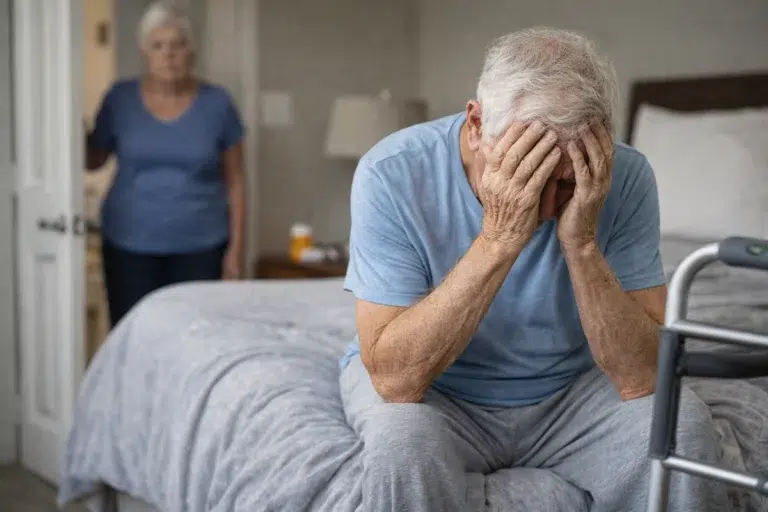
Falls remain one of the leading reasons older adults lose their independence.
Even a minor fall can reduce confidence, making someone less active and increasing the likelihood of future falls.
Watch for signs such as:
- Holding onto furniture while walking
- Trouble getting out of a chair
- Hesitation when using stairs
- Unexplained bruises
- Increased fear of falling
If falls have become more common, it may be time to consider additional support at home. Learning how to reduce fall risks early can help prevent more serious injuries.
2. Medications Are Being Missed or Taken Incorrectly
Managing several prescriptions becomes increasingly difficult as medication schedules grow more complicated.
Common warning signs include:
- Missed doses
- Double dosing
- Expired medications
- Confusion about prescriptions
- Pills scattered throughout the home
For many seniors, skilled nursing through Home Health can help with medication education and management when ordered by a physician, while ongoing In-Home Care can provide helpful reminders and daily support.
3. Memory Changes Are Affecting Daily Life
Occasionally forgetting where you left your keys is normal.
Forgetting to eat, leaving the stove on, getting lost in familiar neighborhoods, or repeatedly missing appointments deserves closer attention.
Memory loss doesn’t automatically mean someone can no longer live independently, but it often means additional safety measures should be considered. If you’re unsure whether these changes are normal aging or something more significant, learning the early signs of dementia can help families know when to seek medical guidance.
4. Personal Hygiene Has Changed
Has your loved one stopped bathing regularly?
Are they wearing the same clothes several days in a row?
Have neighbors or family members noticed changes in grooming?
These can sometimes indicate physical limitations, depression, cognitive decline, or difficulty completing everyday tasks.
5. The Home Is Becoming Unsafe
One of the clearest indicators is often the condition of the home itself.
Look for:
- Spoiled food
- Unopened mail
- Burned cookware
- Laundry piling up
- Clutter creating fall hazards
- Missed household maintenance
These changes may suggest daily tasks are becoming overwhelming.
6. Weight Loss or Poor Nutrition
Unexpected weight loss is never something families should ignore.
Some seniors lose interest in cooking.
Others struggle to shop for groceries or prepare balanced meals.
Others simply forget to eat.
Proper nutrition directly impacts healing, energy, strength, and overall quality of life.
7. Chronic Health Conditions Are Becoming Harder to Manage
Conditions like:
- Heart failure
- COPD
- Diabetes
- Parkinson’s disease
- Arthritis
often become more difficult to manage without assistance.
Home Health services can help eligible patients recover after hospitalization, manage chronic illnesses, and receive skilled care in the comfort of home.
8. Isolation Is Becoming the New Normal
Loneliness affects both emotional and physical health.
If your loved one rarely leaves home, has stopped participating in favorite activities, or no longer visits friends or family, it may be time to explore ways to provide more regular companionship and support.
9. Driving No Longer Feels Safe
Many families first notice problems behind the wheel.
Warning signs include:
- New dents on the vehicle
- Getting lost
- Difficulty judging traffic
- Delayed reaction times
Losing the ability to drive often makes everyday tasks much harder.
10. Hospital Visits Are Becoming More Frequent
Repeated emergency room visits often signal that additional support could improve safety at home.
Many seniors qualify for Home Health services after hospitalization, helping reduce complications and support recovery where they’re most comfortable.
11. Daily Activities Have Become Difficult
Simple routines may no longer be simple.
Examples include:
- Dressing
- Bathing
- Preparing meals
- Walking safely
- Housekeeping
- Grocery shopping
When Activities of Daily Living become challenging, extra support can make a meaningful difference while helping older adults remain independent.
12. Bills, Appointments, or Paperwork Are Being Forgotten
Stacks of unopened mail.
Late notices.
Missed medical appointments.
These are often subtle clues that daily responsibilities have become overwhelming.
13. Family Members Feel Constantly Worried
Sometimes the biggest sign isn’t something your loved one says.
It’s the feeling you carry.
If you’re checking cameras constantly…
Calling several times a day…
Or wondering whether they’re safe every night…
Your instincts deserve attention. Many families eventually discover they’re taking on more caregiving responsibilities than they ever expected.
14. Recovery After Illness Is Taking Longer
After surgery, pneumonia, COVID-19, or another illness, older adults often lose strength much faster than expected.
Physical Therapy, Occupational Therapy, Skilled Nursing, and other Home Health services can help many patients safely regain independence at home when medically appropriate.
15. They Need More Help Than Friends and Family Can Provide
Families often do an incredible job stepping in.
But eventually, caregiving can become physically and emotionally exhausting.
There comes a point where professional support doesn’t replace family—it allows family members to spend more meaningful time together instead of managing every task themselves.
Living Alone Doesn’t Have to Mean Living Without Support
Needing help doesn’t automatically mean it’s time to leave home.
In fact, many older adults continue living safely and comfortably at home with the right level of support.
Depending on an individual’s medical needs, that support may include In-Home Care for assistance with everyday activities, companionship, meal preparation, and personal care, or Home Health services ordered by a physician to provide skilled nursing, therapy, or other clinical care during recovery or while managing a chronic condition.
The most important step is recognizing when additional help can improve safety, confidence, and quality of life before a preventable crisis occurs.
If you’re beginning to notice some of these signs in a parent or loved one, you don’t have to navigate the decision alone. Speaking with experienced professionals can help you better understand the available options and determine what level of care best fits your family’s needs.
For families across Florida, Complete Home Care is proud to provide compassionate Home Health and In-Home Care services designed to help older adults remain safe, supported, and independent in the place they know best: home.
About the Author

Renan Augusto
Marketing Manager, LifeCare Home Health & Hospice Family
Blending digital innovation, compassion, and strategy to elevate in-home care, home health, and hospice across the LifeCare Home Health & Hospice Family.
Renan Augusto is a digital marketing strategist with a Master of Science in Digital Marketing, Meta Digital Marketing Certification, and specialized training in AI-powered marketing through Semrush. He brings a strategic, people-first approach to the LifeCare Home Health & Hospice Family, helping families across the country to find trusted, compassionate in-home care through clear and meaningful communication.
With extensive experience in the senior care space, Renan has helped hundreds of families begin home care services. As a Certified Dementia Practitioner, he brings empathy and clarity to every project, ensuring that education and outreach remain accessible, respectful, and centered on real people.
Renan previously served as Marketing Chair for GROWS and continues to serve as an Advisor. GROWS is a nonprofit organization focused on strengthening the senior care community through advocacy, education, and collaboration. His work centers on connection, authenticity, and digital strategies that make a meaningful difference in people’s lives.